

Published: July 20, 2026
By TAD Editorial Team
When director James Cameron introduced audiences to the floating mountains of Avatar, millions were captivated by the breathtaking landscape of Pandora. What many people don’t realize is that those towering peaks were inspired by a real place on Earth—Zhangjiajie National Forest Park in China’s Hunan Province.
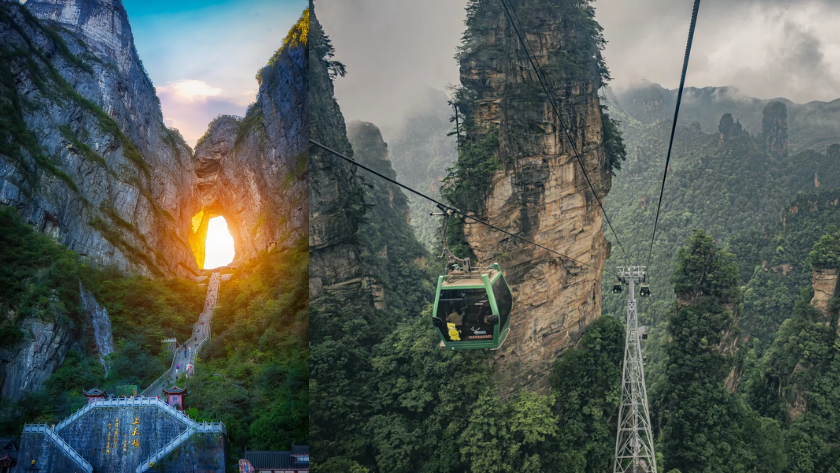
With thousands of towering sandstone pillars rising dramatically through mist-covered valleys, Zhangjiajie is widely regarded as one of the most extraordinary natural destinations in the world.
A Landscape That Defies Imagination
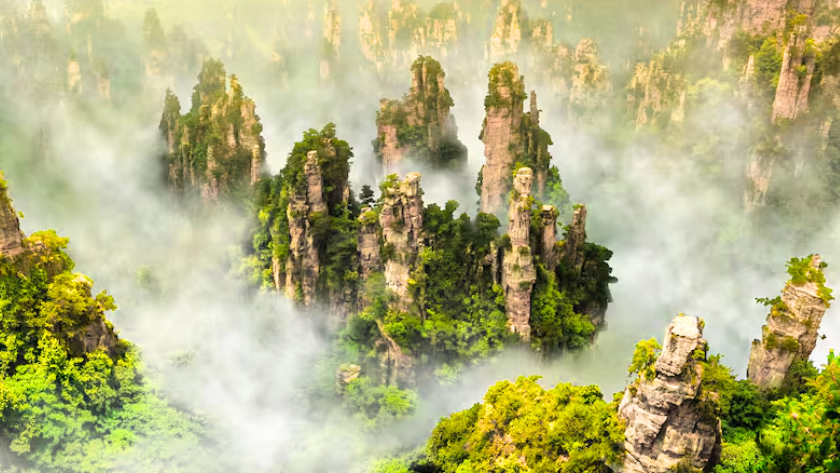
Established as China’s first national forest park, Zhangjiajie spans more than 4,800 hectares of protected wilderness and is part of the UNESCO World Heritage-listed Wulingyuan Scenic Area.
The park’s defining feature is its more than 3,000 quartz sandstone pillars, many soaring hundreds of meters into the sky. Over millions of years, wind, rain and geological activity sculpted these narrow rock columns into the surreal formations visitors see today.
Morning fog often surrounds the peaks, creating the illusion that entire mountains are floating above the clouds—an image that has become synonymous with Zhangjiajie around the world.
The Inspiration Behind Avatar
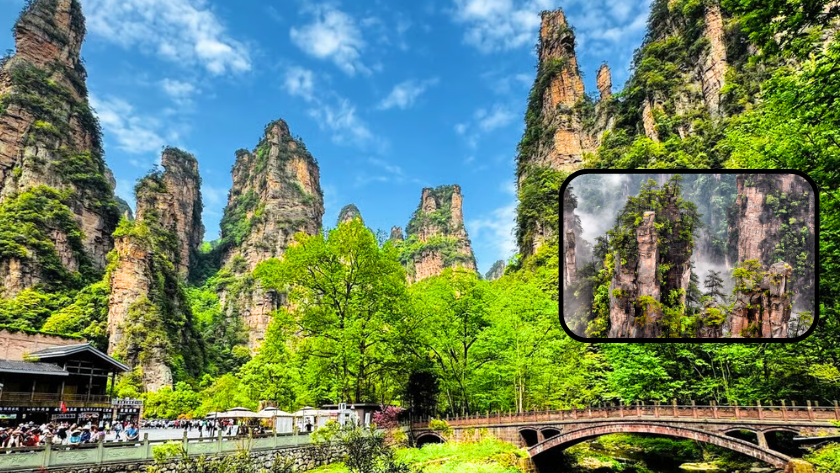
One of the park’s most famous rock formations, formerly known as the Southern Sky Column, gained international fame after the release of Avatar in 2009.
Its resemblance to the floating Hallelujah Mountains in the blockbuster film attracted global attention, eventually leading local authorities to nickname the pillar the “Avatar Hallelujah Mountain.”
Today, visitors from across the globe come not only to admire its natural beauty but also to experience the landscape that inspired one of Hollywood’s most visually stunning films.
Adventure Above the Clouds
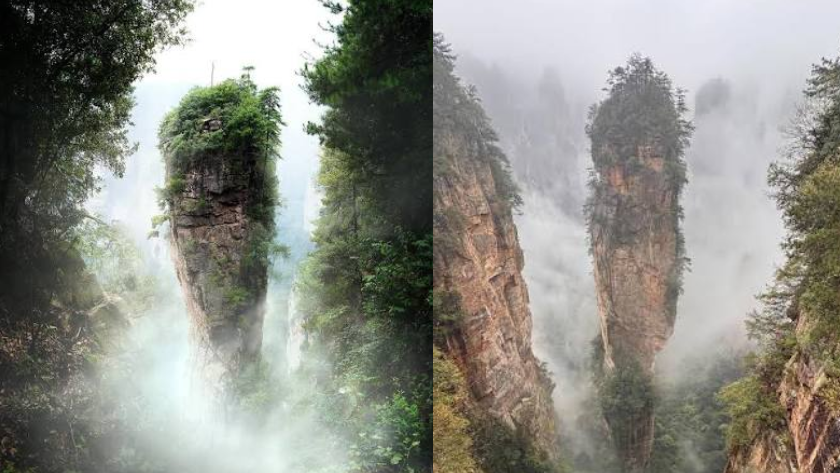
Beyond its iconic sandstone pillars, Zhangjiajie offers some of China’s most thrilling outdoor attractions.
The Zhangjiajie Glass Bridge, suspended high above a dramatic canyon, stretches hundreds of meters across the valley and remains one of the world’s longest and highest glass-bottom bridges.
For panoramic views, travelers can ride the Bailong Elevator, the world’s tallest outdoor glass elevator, ascending the cliffs in just a few minutes before exploring scenic walking trails above the clouds.
Cable cars, mountain pathways and observation platforms allow visitors of all fitness levels to experience the park’s remarkable landscapes.
A Haven for Wildlife and Nature
While its dramatic scenery attracts photographers, Zhangjiajie is equally important as a protected ecological reserve.
Dense forests cover nearly all of the park, providing habitat for hundreds of plant species and a wide variety of wildlife unique to central China. Seasonal changes transform the scenery throughout the year—from lush green forests in summer to golden autumn foliage and snow-covered peaks during winter.
Each season offers visitors an entirely different perspective of the park’s remarkable landscape.
Why Zhangjiajie Stands Out
Unlike many of the world’s famous natural landmarks, Zhangjiajie combines cinematic scenery, biodiversity and modern tourism infrastructure in one destination.
Whether hiking through ancient forests, crossing breathtaking glass walkways or simply watching clouds drift between towering stone pillars, visitors often describe the experience as stepping into another world.
For photographers, hikers and adventure seekers alike, Zhangjiajie delivers one of Asia’s most unforgettable travel experiences.
Why It Matters
As China continues promoting sustainable tourism and eco-travel, Zhangjiajie has become one of the country’s flagship destinations, attracting visitors seeking experiences beyond major cities such as Beijing and Shanghai.
Its growing international popularity also highlights China’s expanding role in global adventure tourism, where natural landscapes increasingly rival historic landmarks in attracting overseas travelers.
TAD Perspective
Zhangjiajie is more than just the inspiration behind Avatar—it is a destination that showcases the extraordinary diversity of China’s natural heritage. While famous cities and historic monuments continue to define much of China’s tourism image, places like Zhangjiajie remind travelers that some of the country’s greatest treasures are found deep within its protected landscapes. For anyone planning a journey to China, this remarkable national park deserves a place at the very top of the itinerary.
Sources
- Vietnam Airlines Travel Guide
- UNESCO World Heritage Centre
- Zhangjiajie National Forest Park Official Tourism Information

