

Published: July 30, 2026
By: TAD Editorial Team
⸻
WASHINGTON, D.C. —
The United States has introduced a new layer of technology restrictions after the Federal Communications Commission (FCC) officially expanded its Covered List to include certain advanced foreign-made robotic systems and connected power inverters, citing growing concerns over national security and cybersecurity.
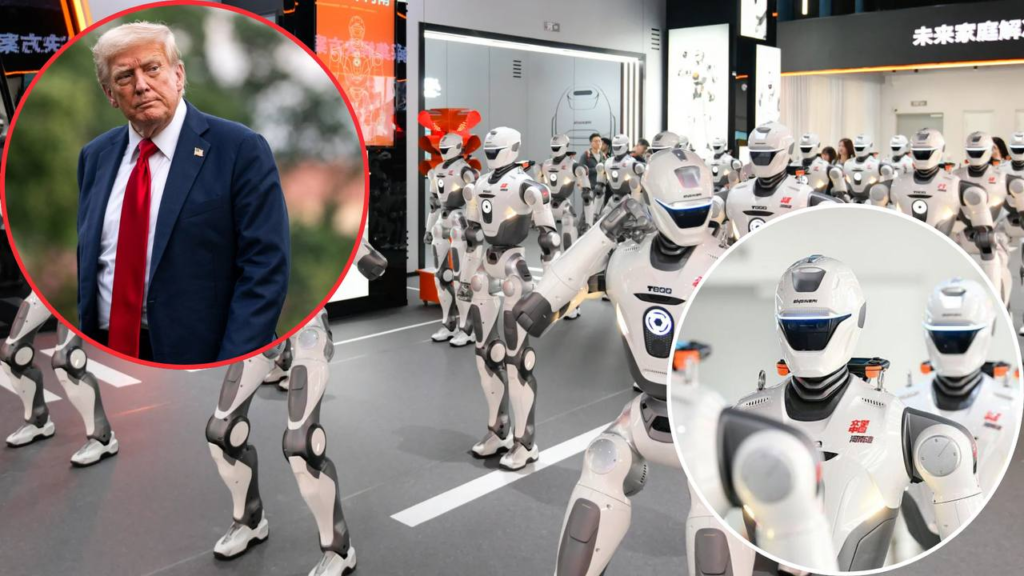
The new policy immediately blocks the authorization of newly released products that fall under the FCC’s latest restrictions. Officials argue that increasingly sophisticated connected devices—including humanoid robots, quadruped robotic machines and grid-connected electrical equipment—could become potential entry points for espionage, cyberattacks and critical infrastructure disruption.
While the measure applies broadly to foreign-manufactured technologies, industry observers say Chinese manufacturers are expected to be the most heavily affected due to their dominant position in the global robotics market.
⸻
What Technologies Are Covered?
According to the FCC, the updated regulations apply to advanced mobile robotic systems weighing more than two kilograms that rely on onboard sensors, artificial intelligence and wireless communications to operate autonomously.
The restrictions also include connected electrical power inverters used in solar energy systems, large-scale battery storage facilities and data centers—devices considered essential to America’s modern energy infrastructure.
Unlike consumer electronics, these systems continuously collect environmental data and maintain network connectivity, making them a potential cybersecurity concern if compromised.
Officials stressed that the action targets future equipment authorizations, meaning products seeking new FCC approval will be subject to the restrictions.
Devices already approved before the policy change may continue to be imported, sold and operated under existing authorizations.
⸻
Security Concerns Behind the Decision
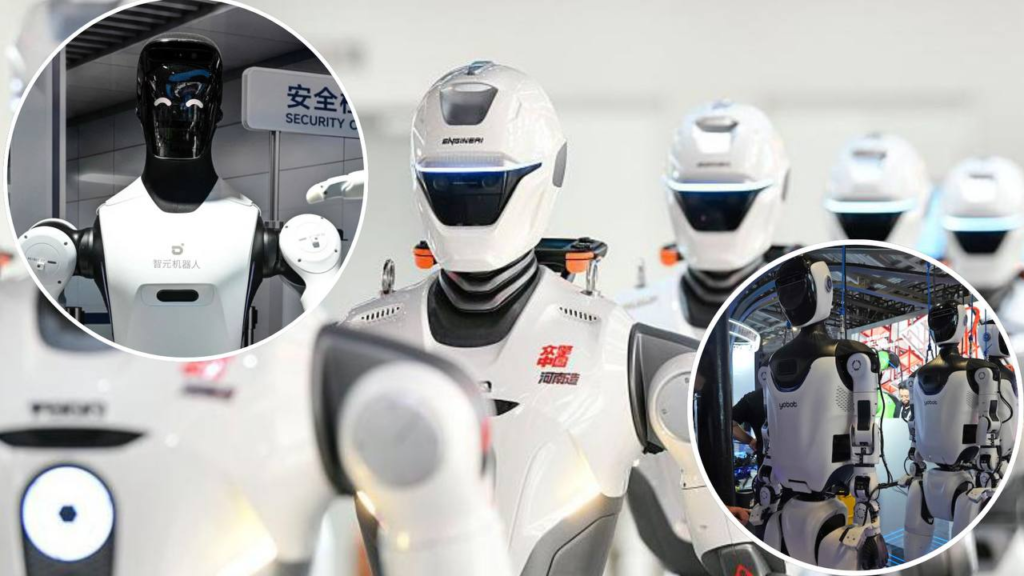
U.S. regulators say rapidly advancing robotics technology presents new national security challenges that extend beyond traditional telecommunications equipment.
The FCC outlined several risks associated with connected autonomous machines.
One concern involves surveillance. Humanoid robots equipped with cameras, microphones and environmental sensors could potentially collect large volumes of sensitive information from government facilities, industrial sites or private businesses.
Another involves remote access. Officials warned that software vulnerabilities or hidden backdoors could allow hostile actors to gain unauthorized control of robotic systems, potentially disrupting operations or using them for malicious purposes.
The commission also pointed to risks involving connected power inverters, saying cyberattacks against such equipment could interfere with electricity distribution, affect renewable energy systems or disrupt operations at major data centers.
Regulators described these possibilities as unacceptable risks to national security and critical infrastructure.
⸻
Chinese Robotics Industry Faces Biggest Impact
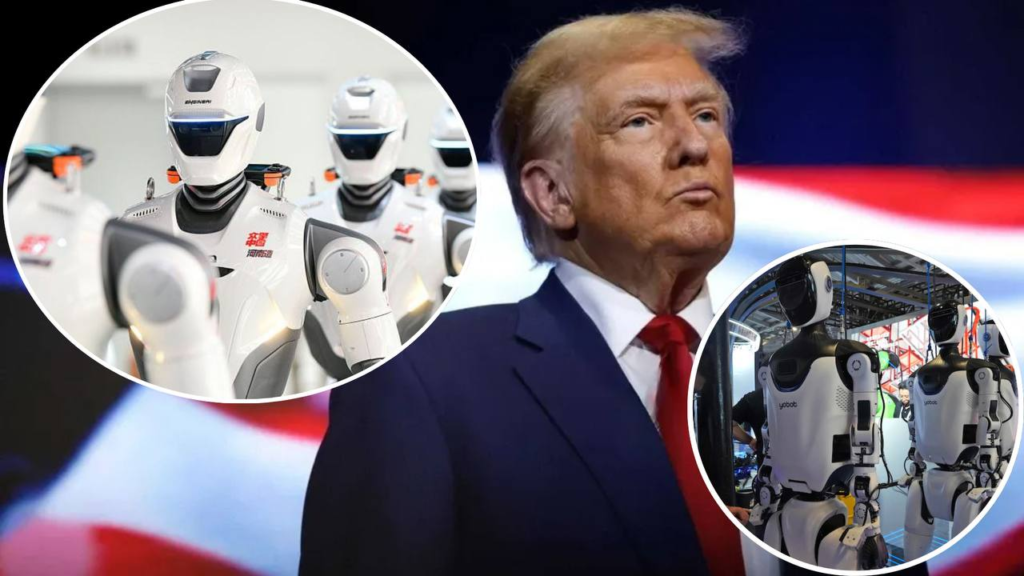
Although the FCC’s announcement does not specifically ban products from one country alone, analysts believe the practical effect will fall primarily on Chinese manufacturers.
China currently accounts for an estimated 85% to 87% of the global humanoid robot market, led by companies including Unitree, UBTech and AGIBOT, which have expanded rapidly in both commercial and industrial robotics.
The new restrictions could significantly reduce their access to future U.S. government, industrial and commercial markets.
Industry experts also suggest manufacturers from allied countries may eventually receive exemptions if their products satisfy U.S. security requirements.
⸻
Potential Boost for American Robotics Companies
The restrictions may also reshape competition within the U.S. robotics industry.
With fewer foreign competitors entering the American market, domestic developers such as Tesla and Figure AI could gain additional opportunities to expand production and attract commercial customers.
Supporters of the policy argue it may strengthen U.S. manufacturing while reducing dependence on foreign suppliers in emerging technologies viewed as strategically important.
Some analysts, however, note that reduced competition could also slow innovation or increase costs for certain commercial users.
⸻
Beijing Rejects U.S. Claims
China responded quickly to the announcement, criticizing Washington’s latest restrictions.
The Chinese Foreign Ministry and the Chinese Embassy in Washington accused the United States of expanding the definition of national security to justify trade restrictions against Chinese technology companies.
Chinese officials described the decision as a form of economic protectionism and stated that Beijing would take all necessary measures to safeguard the legitimate rights and interests of its technology sector.
The dispute adds to an already growing list of technology-related disagreements between the world’s two largest economies, including previous restrictions involving semiconductors, telecommunications equipment and artificial intelligence technologies.
⸻
A New Phase in Technology Competition
The FCC’s latest action signals that national security concerns are increasingly influencing technology regulation beyond traditional communications equipment.
As robotics, artificial intelligence and connected infrastructure become more integrated into daily life, governments around the world are placing greater emphasis on cybersecurity, supply-chain resilience and digital sovereignty.
The United States says the latest measures are designed to reduce future security risks before sensitive technologies become deeply embedded across critical sectors.
⸻
Why It Matters
The FCC’s expanded restrictions demonstrate how national security is becoming a central factor in regulating emerging technologies. As autonomous robots and connected infrastructure play larger roles in manufacturing, energy and public services, governments are increasingly weighing cybersecurity risks alongside economic competitiveness.
⸻
TAD Perspective
The latest FCC decision reflects a broader global trend in which advanced technologies are no longer evaluated solely on innovation or commercial value. Robotics, artificial intelligence and connected infrastructure are increasingly viewed through the lens of national security. While Washington argues the restrictions are preventive measures against cyber threats, Beijing sees them as another chapter in the ongoing technology rivalry between the two countries. How other nations respond may help shape future international standards for AI-powered devices and critical digital infrastructure.
Sources
BBC News
Associated Press (via KARK)
Public statements referenced by The Morning LK on X

