

Published: July 22, 2026
By: TAD Editorial Team
PARIS, France —
France has become the first country in the European Union to approve a nationwide law banning children under the age of 15 from accessing social media platforms, marking one of Europe’s most ambitious efforts to strengthen online protections for minors.

The legislation, backed by President Emmanuel Macron, is expected to be signed into law in the coming days before taking effect at the beginning of the new school year in September 2026.
French authorities say the new rules are designed to shield children from harmful online content, addictive algorithms, cyberbullying and growing mental health concerns linked to excessive social media use.
Macron: “Children’s Brains Are Not for Sale”
President Macron has been one of the strongest supporters of the proposal, urging lawmakers to accelerate its passage through parliament.
Speaking after the vote, Macron argued that social media companies should not be allowed to shape young people’s development through recommendation algorithms and targeted content.
“The brains of our children and our teenagers are not for sale,” Macron said.
He also criticized the growing influence of foreign technology companies, saying France must ensure that children are not manipulated by “American platforms” or “Chinese algorithms.”
How the New Law Will Work
Under the legislation, children under the age of 15 will no longer be permitted to create or maintain social media accounts without meeting the country’s legal requirements.
French regulators are now working with technology companies to establish reliable age-verification systems before the law officially comes into force.
Officials have not yet announced which verification methods will be mandatory, although digital ID systems, facial age estimation technology and parental authorization mechanisms are among the options being discussed.
Companies that fail to comply could face financial penalties under French digital regulations.
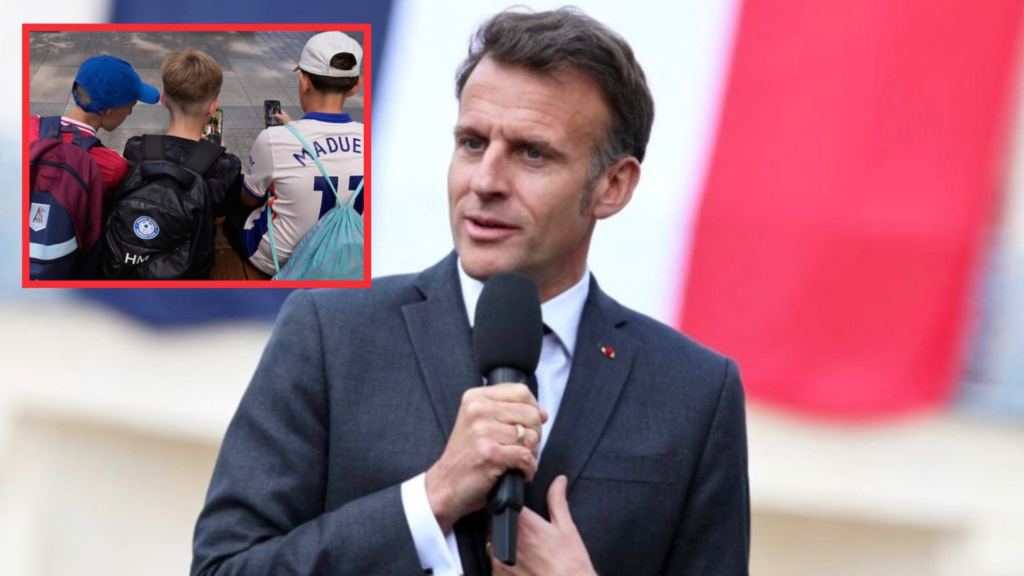
Part of a Growing Global Trend
France’s decision reflects a wider international movement toward stricter protections for children online.
Several countries have recently proposed or adopted similar measures.
* Australia has already approved a nationwide social media ban for users under 16.
* The United Kingdom is preparing new online safety restrictions expected to be introduced next year.
* Spain, Greece and Denmark are also considering minimum-age requirements for social media access.
Governments argue that social media platforms have become increasingly influential in children’s daily lives, raising concerns over mental health, misinformation, online predators and addictive content.
Technology Companies Face New Challenges
The legislation places significant responsibility on social media companies to verify users’ ages without violating privacy rights.
Experts say balancing child protection with data privacy will be one of the biggest implementation challenges.
Technology firms may need to invest heavily in new verification systems while ensuring compliance with both French law and broader European Union data protection rules.
Digital rights organizations have also called for transparent safeguards to prevent unnecessary collection of children’s personal information.
Supporters Welcome the Move
Supporters of the legislation argue that children are being exposed to increasingly harmful online environments at younger ages.
They point to research linking excessive social media use with anxiety, depression, sleep disorders, cyberbullying and reduced attention spans among teenagers.
Advocates believe restricting early access could encourage healthier digital habits while giving parents greater control over children’s online experiences.
Critics Raise Practical Questions
Despite broad political support, critics question whether age restrictions alone can effectively keep children away from social media.
Technology experts note that many young users already bypass existing age requirements by entering false birth dates.
Others warn that strict verification systems could create new privacy concerns if platforms are required to collect additional personal data.
Some digital rights groups also argue that education and parental guidance should remain central to online safety efforts.
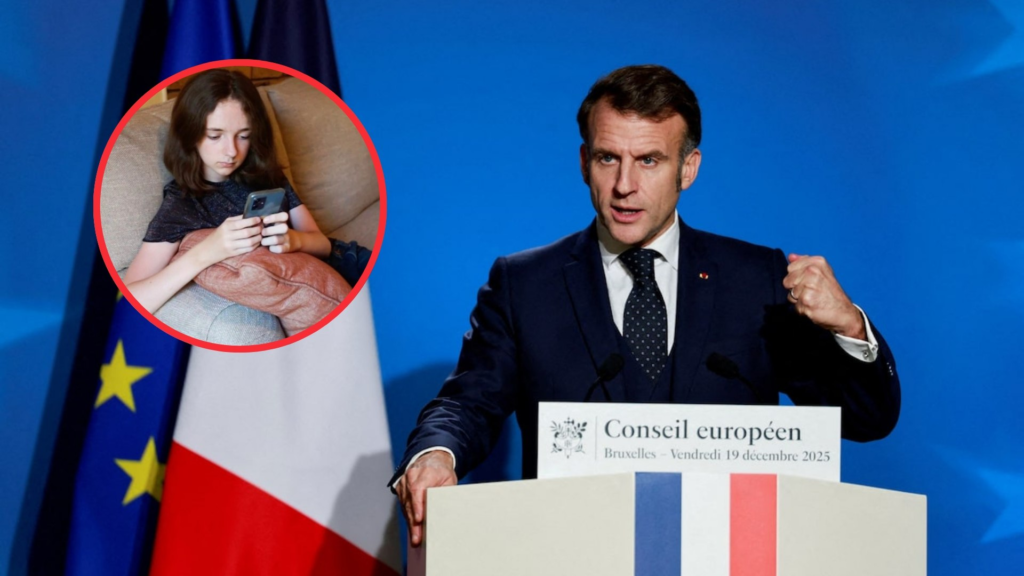
Why It Matters
France’s legislation could become a model for other European Union members considering similar digital safety laws. If successfully implemented, it may reshape how global technology companies verify users’ ages and manage children’s access across Europe.
TAD Perspective
The debate surrounding children’s access to social media is shifting from voluntary platform policies to government regulation. France’s decision signals that online child protection is becoming a national policy issue rather than solely a responsibility of technology companies. Whether the law succeeds will largely depend on how effectively age verification can be implemented while protecting user privacy.
Sources
* BBC News
* CNN
* NPR
* French Government Statements

