

Published: July 24, 2026
By:TAD Editorial Team
—
WASHINGTON / CARACAS ( World Bank ) —
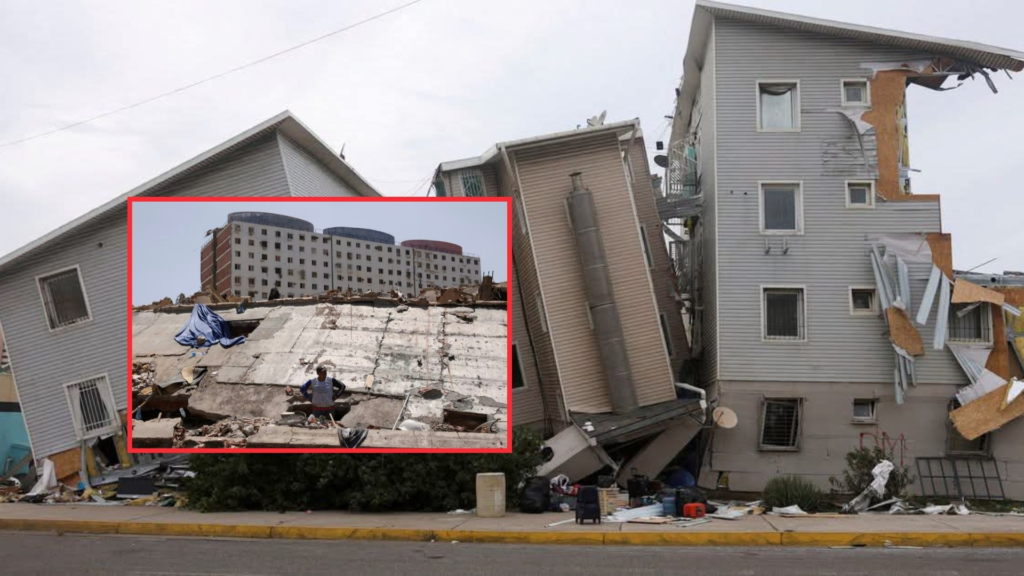
The World Bank has estimated that the devastating earthquakes that struck Venezuela on June 24 caused approximately US$19.6 billion in direct physical damage, warning that the total cost of rebuilding could climb to nearly US$50 billion once reconstruction and infrastructure improvements are included.
The assessment, released Thursday through the World Bank’s Global Rapid Damage Estimation (GRADE) program, provides the first comprehensive international estimate of the disaster’s economic impact.
The twin earthquakes, measuring 7.2 and 7.5 magnitude, are considered Venezuela’s deadliest seismic disaster in more than two centuries.
—
Thousands Killed, Tens of Thousands Affected
According to Venezuelan government figures, around 5,000 people lost their lives, while nearly 17,000 others were injured after the powerful earthquakes struck northern Venezuela, including the capital Caracas.
Authorities also estimate that almost 18,000 residents remain homeless, with thousands of homes, schools, hospitals, businesses and transportation infrastructure either destroyed or severely damaged.
Entire communities continue to struggle with disrupted electricity, water supplies and public services as recovery efforts move into a new phase.
—
Economic Damage Extends Beyond Buildings
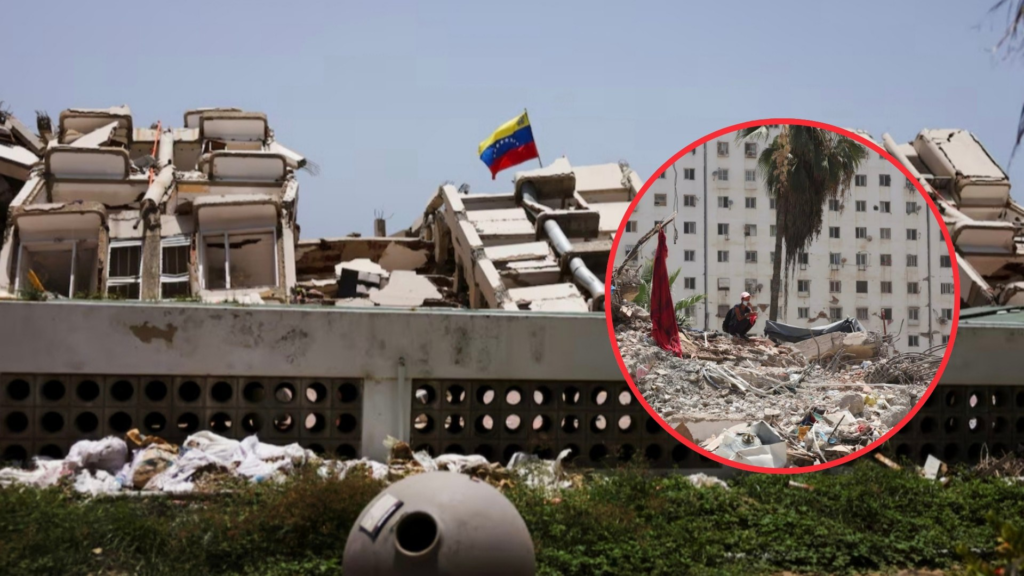
The World Bank estimates that US$19.6 billion represents only the value of direct physical destruction, including damaged homes, commercial buildings, roads, bridges and public infrastructure.
However, rebuilding costs are expected to be significantly higher.
Officials said expenses related to debris removal, stronger construction standards and rebuilding damaged communities to better withstand future earthquakes could increase total recovery costs to between two and two-and-a-half times the direct damage estimate.
If that projection proves accurate, Venezuela could ultimately require close to US$50 billion for full reconstruction.
—
Disaster Hits an Already Fragile Economy
The earthquake struck at a time when Venezuela was already facing deep economic and humanitarian challenges.
According to the World Bank, more than 76% of the country’s population lives in poverty, while approximately 7.9 million Venezuelans have left the country since 2015, making it one of the world’s largest migration crises.
World Bank Vice President Susana Cordeiro Guerra, who oversees Latin America and the Caribbean, warned that the disaster could further weaken the country’s productive capacity if reconstruction is delayed.
She said rapid investment and coordinated international support would be critical for restoring livelihoods and preventing long-term economic decline.
—
Satellite Technology Used to Measure Damage
Unlike traditional assessments that can take months, the World Bank used its Global Rapid Damage Estimation (GRADE) system to quickly estimate losses.
The assessment combined:
* Satellite imagery
* Remote earthquake modeling
* Local seismic data
* Government damage reports
* Information from humanitarian organizations operating on the ground
Officials said the technology allows governments and aid organizations to better understand the scale of disasters and prioritize emergency recovery efforts.
—
Rebuilding Will Require International Cooperation
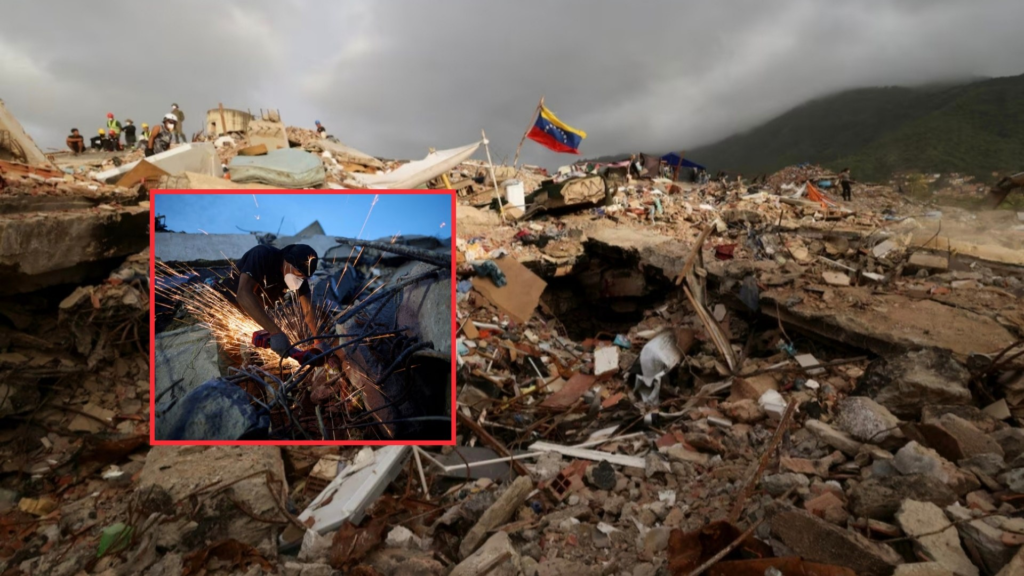
Experts say rebuilding damaged infrastructure will be one of Venezuela’s biggest challenges in decades.
In addition to restoring homes and public services, reconstruction efforts are expected to focus on stronger building standards capable of withstanding future earthquakes.
The World Bank emphasized that investing in safer construction now could reduce losses from future natural disasters.
—
Why It Matters
[7/24/2026 8:25 PM] Ngwe Sin: The Venezuela earthquakes represent not only a humanitarian disaster but also a major economic crisis. With billions of dollars in infrastructure destroyed, recovery could take years and require significant international financial support. The findings also highlight the growing importance of disaster-resilient construction in regions vulnerable to major earthquakes.
—
TAD Perspective
Natural disasters often expose existing social and economic vulnerabilities. In Venezuela’s case, widespread poverty and years of economic hardship may make recovery especially difficult. While emergency relief remains a priority, long-term rebuilding efforts will likely determine how quickly affected communities can recover and become more resilient against future disasters.
Sources
* Reuters
* World Bank (GRADE Assessment)
* ICIS

