
Published: July 27, 2026
By: TAD Editorial Team
⸻
NEW DELHI, India —
India is launching one of its most ambitious education reform initiatives in recent years after Prime Minister Narendra Modi announced the creation of a high-powered task force aimed at reshaping the country’s examination system.
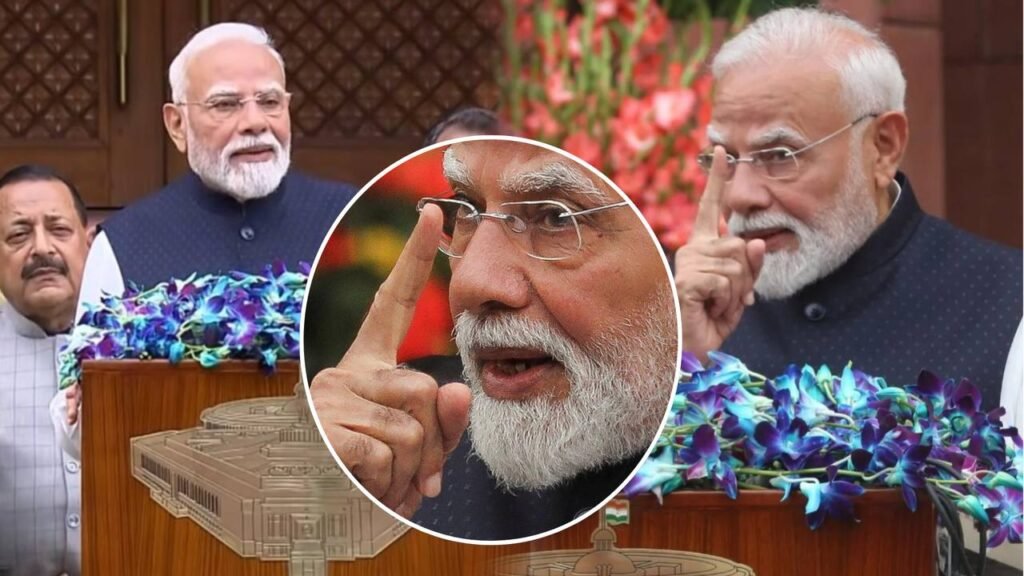
The newly formed panel will recommend technological upgrades, governance reforms and stronger security measures designed to improve transparency and rebuild public confidence following a series of examination paper leak controversies that sparked nationwide protests.
Heading the task force is technology pioneer and Infosys co-founder Nandan Nilekani, who will lead a multidisciplinary team of experts tasked with proposing long-term changes to the country’s testing framework.
The announcement comes as the Indian government faces growing pressure to strengthen the credibility of public examinations after repeated allegations of malpractice involving competitive entrance tests.
⸻
Technology at the Center of Reform
According to the Prime Minister’s announcement during Parliament’s Monsoon Session, the committee has been asked to recommend both structural and technology-driven reforms for India’s examination ecosystem.
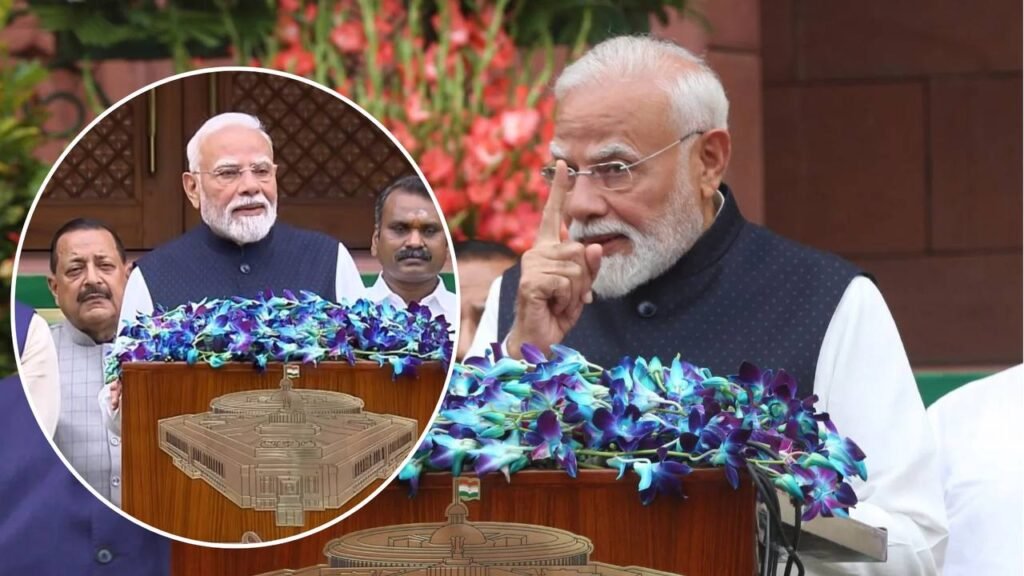
Its mandate includes improving data security, preventing paper leaks, strengthening digital infrastructure and enhancing transparency across every stage of the examination process.
Officials say the objective is not only to modernize the National Testing Agency (NTA) but also to establish a more reliable system capable of handling millions of candidates each year.
The recommendations are expected to cover examination management, cybersecurity, candidate verification and monitoring mechanisms to reduce opportunities for fraud.
⸻
Panel Brings Together Leading Experts
Rather than limiting the review to education officials, the government has assembled specialists from several sectors.
The committee will be chaired by Nandan Nilekani, widely recognized for his role in developing India’s digital public infrastructure.
Other members include:
Former ISRO Chairman S. Somanath
Former Intelligence Bureau Director Tapan Deka
IIT Madras Director V. Kamakoti
Former Education Secretary Anita Karwal
Logistics expert Amrit Lal Meena
The diverse composition reflects the government’s intention to address examination integrity through expertise in technology, national security, education administration and large-scale logistics.
⸻
Reforms Follow Months of Public Pressure
The announcement follows months of criticism directed at the National Testing Agency after several high-profile examination controversies, particularly surrounding the NEET-UG medical entrance examination.
Paper leak allegations triggered protests by students across multiple states, with candidates questioning the fairness of the selection process.
The controversy also fueled political debate over accountability within India’s examination system and prompted calls for comprehensive institutional reform.
Government officials say the newly established task force represents a long-term effort to restore confidence rather than a short-term administrative response.
⸻
Government Plans Tougher Anti-Cheating Laws
Alongside the formation of the expert committee, the central government confirmed it will introduce new legislation aimed at strengthening legal action against examination-related crimes.
The proposed law is expected to impose stricter penalties on individuals involved in paper leaks, organized cheating networks and other examination malpractices.
Officials believe tougher legal consequences, combined with technological safeguards, will help deter future incidents that undermine merit-based admissions and recruitment.
The government has also indicated that fast-track judicial mechanisms may be considered to ensure quicker prosecution of examination fraud cases.
⸻
Political Debate Continues

