

Published: July 28, 2026
By: TAD Editorial Team
⸻
NEW DELHI —
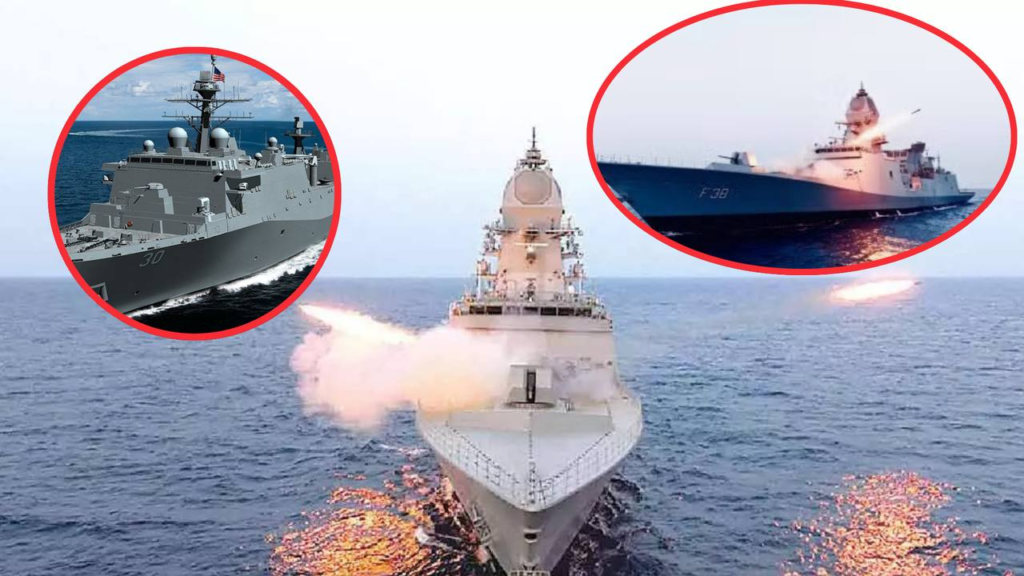
India has unveiled an ambitious long-term naval modernization strategy that aims to expand its fleet to more than 200 warships by 2035, reinforcing its position in the Indian Ocean as geopolitical competition with China and Pakistan continues to grow.
The expansion forms part of New Delhi’s broader effort to strengthen maritime security, safeguard critical shipping lanes, and reduce dependence on foreign military suppliers through an accelerated domestic shipbuilding program.
Officials say the initiative reflects India’s determination to build a modern, self-reliant navy capable of responding to evolving regional security challenges while protecting one of the world’s busiest maritime trade corridors.
⸻
Building a Larger, Indigenous Fleet
The Indian Navy currently operates an estimated 140–150 warships, but that number is expected to rise steadily over the next decade.
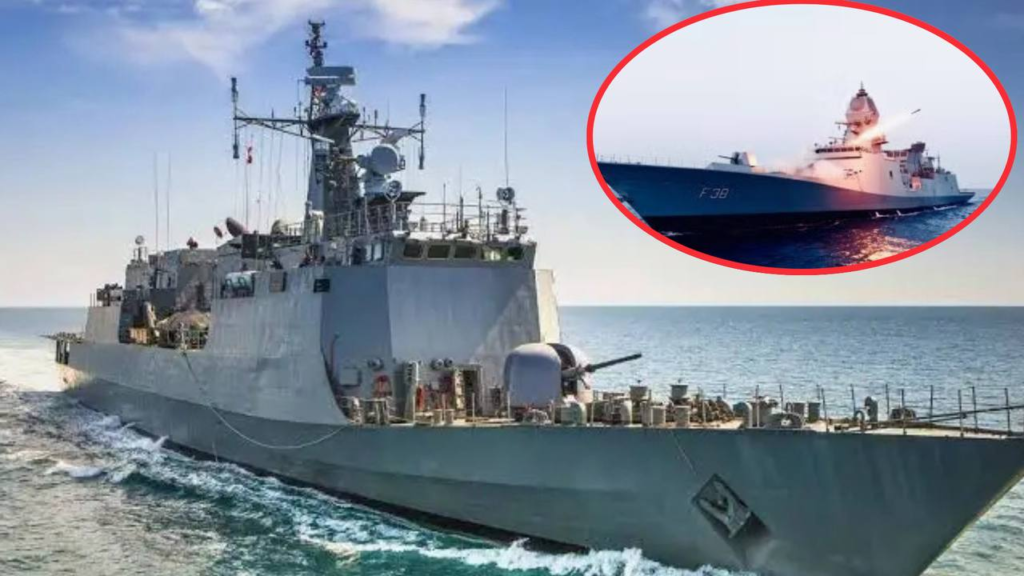
Around 50 to 55 additional naval vessels are already under construction at Indian shipyards, making the country’s naval expansion one of the largest ongoing military shipbuilding programs in Asia.
According to Indian defense officials, domestic shipyards are now commissioning approximately one new naval vessel every six weeks, highlighting the rapid pace of production.
The program is closely linked to India’s Atmanirbhar Bharat (Self-Reliant India) initiative, which seeks to dramatically increase domestic defense manufacturing.
The long-term objective is for future naval platforms to rely almost entirely on locally produced components by 2047, coinciding with the centenary of India’s independence.
⸻
Maritime Security Becomes a Strategic Priority
India’s naval buildup comes as strategic competition across the Indo-Pacific continues to intensify.
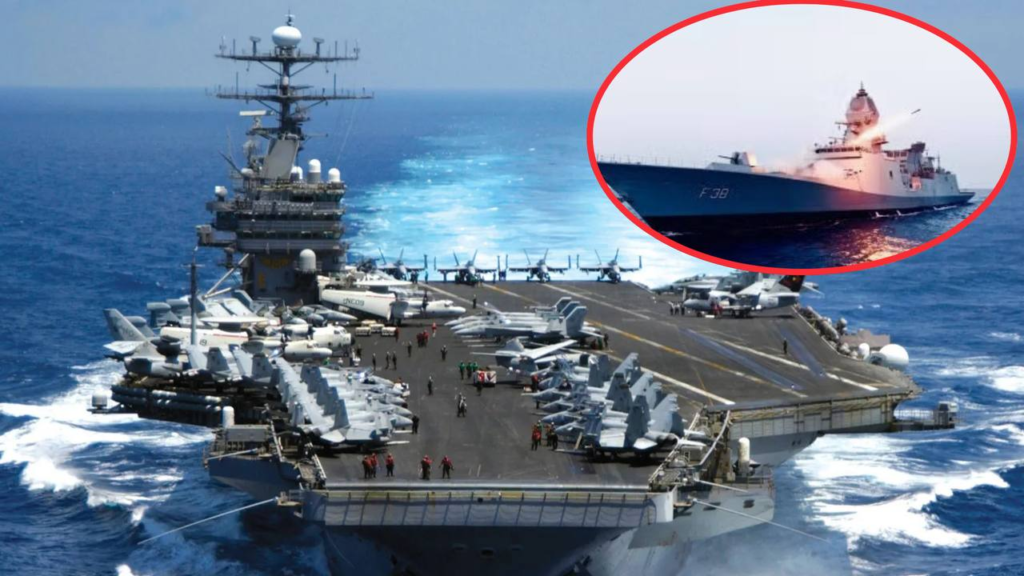
The Indian Ocean has become an increasingly important theater for global commerce, carrying a significant share of international energy supplies and commercial shipping.
New Delhi views stronger naval capabilities as essential to protecting these sea lanes while maintaining regional stability.
Defense analysts note that maritime power has become a central element of India’s national security strategy as regional military competition expands beyond land borders.
⸻
China’s Expanding Naval Presence
One of the primary drivers behind India’s modernization effort is the rapid expansion of China’s naval capabilities.
The People’s Liberation Army Navy (PLAN) now operates the world’s largest naval fleet, with more than 370 vessels, and has steadily increased deployments throughout the Indian Ocean.
Chinese research vessels, surveillance ships, submarines and surface combatants have become more active in waters traditionally regarded as strategically important to India.
Indian security planners have repeatedly expressed concern that Beijing’s growing maritime footprint could alter the regional balance of power over the coming decades.
⸻
Pakistan Also Upgrading Naval Capabilities
India’s western maritime flank is also evolving.
Pakistan is modernizing its navy through the acquisition of eight Chinese-built Hangor-class submarines, a defense project reportedly valued at approximately US$5 billion.
Although Pakistan’s navy remains significantly smaller than India’s, officials in New Delhi say the modernization highlights the importance of maintaining technological and numerical superiority across multiple operational domains.
⸻
INS Mahendragiri Marks Latest Milestone
India recently commissioned INS Mahendragiri (F38) into its Eastern Fleet, symbolizing the country’s expanding domestic defense industry.
The stealth frigate is the sixth vessel in the Nilgiri-class series, designed by India’s Warship Design Bureau and constructed by Mazagon Dock Shipbuilders Limited.
According to defense officials, approximately 75% of the vessel’s components are sourced domestically, reflecting India’s continued efforts to strengthen indigenous defense manufacturing while reducing reliance on imported military technology.
The commissioning of Mahendragiri represents another step toward New Delhi’s broader vision of building a more technologically advanced and self-sufficient navy.
⸻
Balancing Security and Self-Reliance
Beyond increasing fleet numbers, India is also investing in advanced naval technologies, indigenous weapons systems, electronic warfare capabilities and modern shipbuilding infrastructure.
Officials believe greater domestic production will not only improve operational readiness but also strengthen the country’s long-term defense industrial base.
The naval expansion is expected to include a mix of destroyers, frigates, submarines, aircraft carriers, patrol vessels and support ships designed to operate across the Indo-Pacific region.
⸻
Why It Matters
India’s naval expansion reflects the growing importance of maritime security in an increasingly competitive Indo-Pacific region. As China continues expanding its blue-water navy and Pakistan upgrades its submarine fleet, New Delhi is accelerating efforts to strengthen its own maritime capabilities while reducing dependence on foreign defense suppliers.
⸻
TAD Perspective
The race for maritime influence is becoming one of the defining strategic trends in Asia. Rather than focusing solely on fleet size, India’s modernization strategy emphasizes indigenous production, technological independence and long-term sustainability. Whether this ambitious roadmap reaches its 2035 target will depend not only on shipbuilding capacity but also on regional security dynamics and defense investment over the coming decade.
Sources
South China Morning Post (SCMP)
India Defense News
Marine Insight
Indian Navy public information and defense industry reports

