

Published: July 28, 2026
By: TAD Editorial Team
—
WASHINGTON, D.C. —
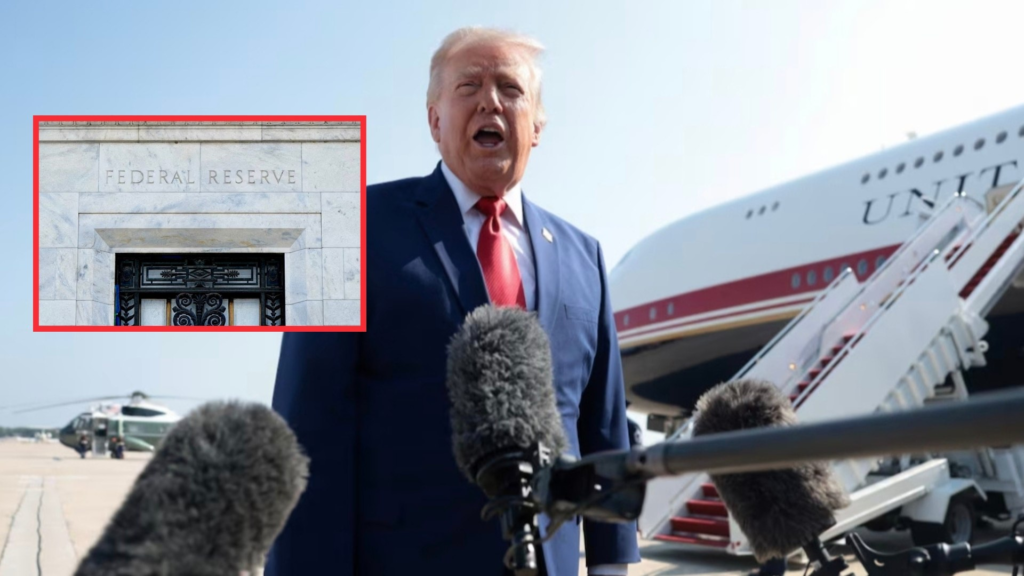
President Donald Trump has renewed his campaign for lower U.S. borrowing costs, declaring that the United States should maintain the lowest interest rates anywhere in the world as financial markets await the Federal Reserve’s next monetary policy decision.
Speaking to reporters aboard Air Force One on Monday, Trump argued that current interest rates remain unnecessarily high compared with those in several other economies, saying lower rates would strengthen America’s economic position and support continued growth.
“We should have the lowest interest rate in the world,” Trump said while criticizing the current level of U.S. borrowing costs.
His latest remarks come just days before the Federal Reserve is expected to announce its latest policy decision, placing additional political attention on the nation’s central bank.
—
Fresh Pressure on the Federal Reserve
Trump has repeatedly urged the Federal Reserve to ease monetary policy during his presidency, maintaining that lower interest rates would reduce financing costs for businesses, homeowners and the federal government.
Although presidents have historically avoided directly influencing monetary policy, Trump has continued to publicly express his views on interest-rate decisions, arguing that other major economies are benefiting from lower borrowing costs.
Financial analysts note that while the White House can voice its preferences, the Federal Reserve operates independently and bases its decisions primarily on inflation, employment and overall economic conditions.
—
Comments on Fed Leadership
During his remarks, Trump also referred to Federal Reserve Chair Kevin Warsh, describing him as “fantastic” while suggesting that other members of the Federal Reserve Board are influenced by politics.
The president indicated that board dynamics could complicate future policy decisions, although he did not elaborate on specific discussions within the central bank.
The comments reflect continuing political debate over how aggressively the Fed should move on interest rates as inflation moderates but economic uncertainty remains.
—
Markets Watching the Next Policy Move
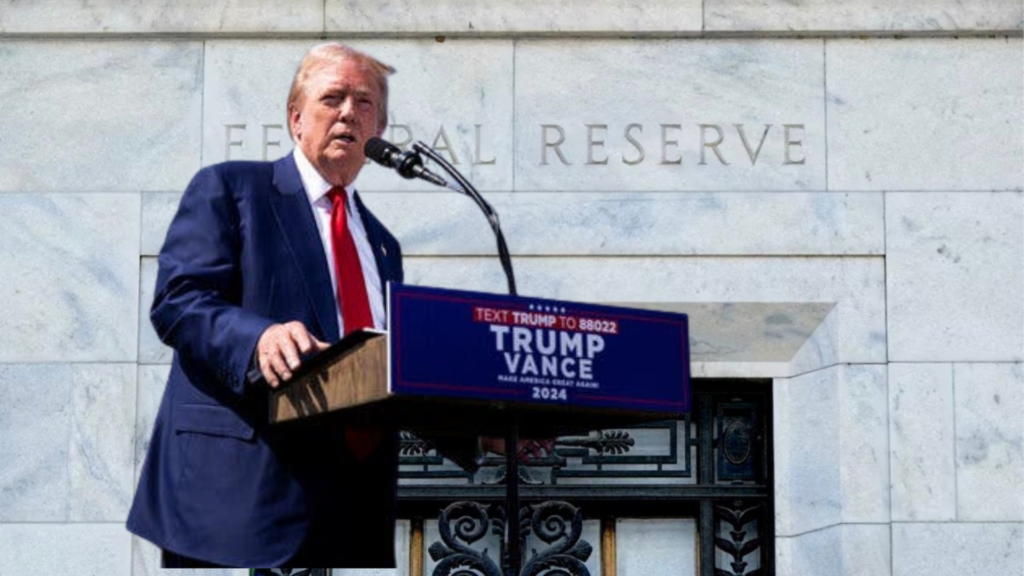
Investors around the world are closely monitoring this week’s Federal Reserve meeting for signals about the future direction of U.S. monetary policy.
Recent economic indicators have shown easing inflation pressures, prompting speculation that policymakers could eventually begin lowering borrowing costs if price stability continues to improve without significantly weakening the labor market.
However, Federal Reserve officials have consistently emphasized that future decisions will remain data-dependent rather than driven by political pressure.
Any change in U.S. interest rates could influence global financial markets, including stock prices, bond yields, foreign exchange markets and international capital flows.
—
Global Competition for Lower Borrowing Costs
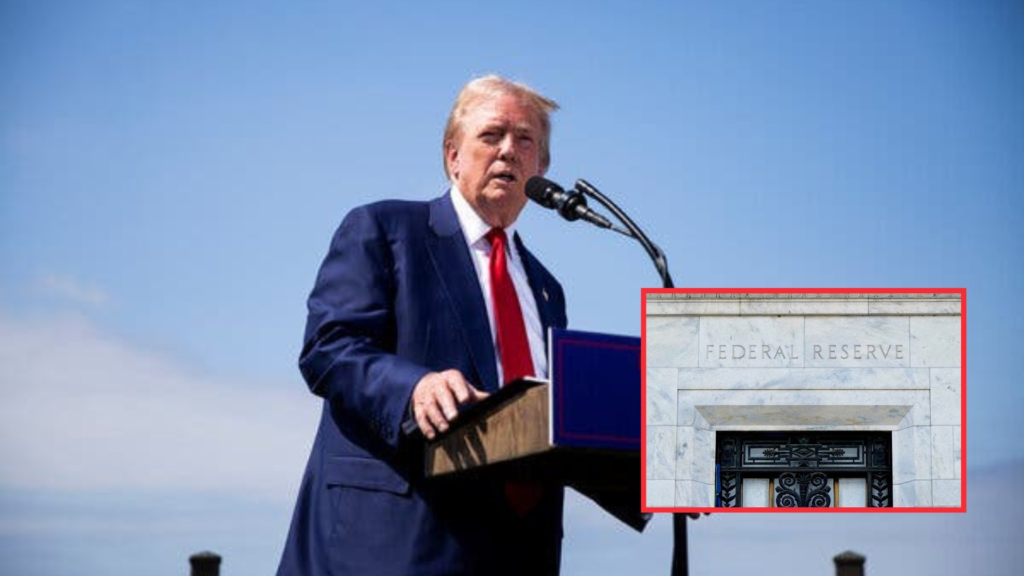
Trump argued that several countries currently enjoy lower financing costs than the United States, placing American businesses at a competitive disadvantage.
Supporters of lower rates believe cheaper credit could encourage investment, stimulate consumer spending and reduce debt-servicing costs across the economy.
Others caution that reducing interest rates too quickly could reignite inflationary pressures or create additional financial risks if economic conditions remain uncertain.
The debate highlights the balancing act facing central bankers as they seek to maintain price stability while supporting sustainable economic growth.
—
Why It Matters
Interest-rate decisions made by the Federal Reserve extend far beyond financial markets. Mortgage rates, business loans, credit card borrowing, corporate investment and the value of the U.S. dollar are all influenced by changes in monetary policy. As a result, any shift in the Fed’s approach can have significant economic consequences both domestically and internationally.
—
TAD Perspective
President Trump’s renewed call for lower interest rates adds another layer of political scrutiny ahead of an important Federal Reserve meeting. While elected leaders often express opinions on economic policy, the Fed’s credibility depends largely on its institutional independence. Investors will likely focus less on political rhetoric and more on the central bank’s economic projections and guidance for the months ahead.
Sources
* Reuters
* CNBC
* NHK World
* Official White House pool remarks
* Air Force One press briefing

