

Published: July 28, 2026
By: TAD Editorial Team
⸻
WASHINGTON, D.C. —
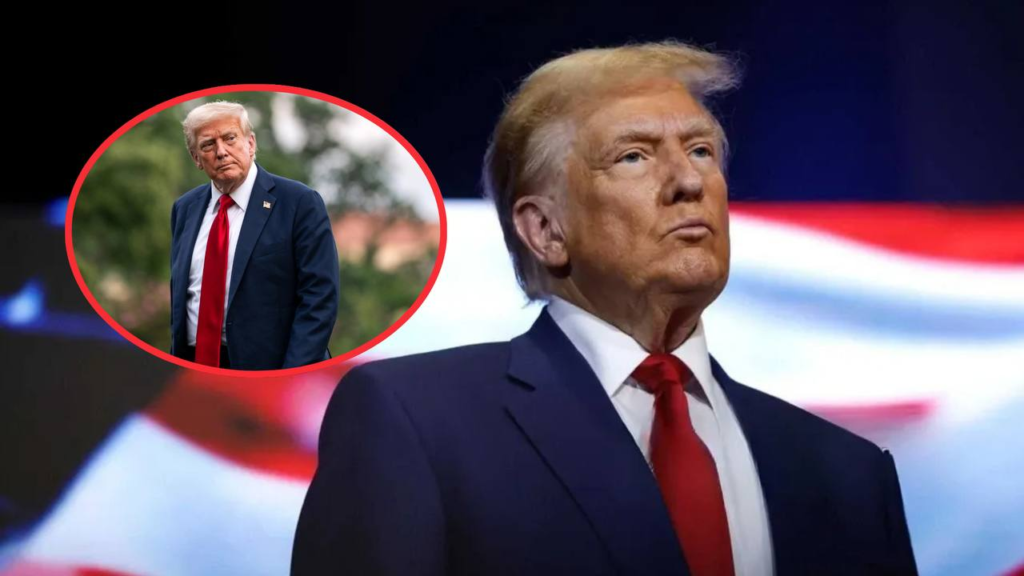
U.S. President Donald Trump has signaled that Washington is prepared to resume large-scale military operations against Iran if ongoing diplomatic efforts fail to produce a rapid agreement, underscoring that negotiations are entering what he described as a limited window for success.
Speaking in an interview published on Monday, Trump said diplomacy would only continue if tangible progress is made quickly, warning that the United States is ready to return to what he called “very strong military action” should talks collapse.
His remarks come after weeks of heightened military tensions across the Middle East, where both sides have exchanged strikes while international mediators work to prevent a broader regional conflict.
⸻
Diplomatic Window Narrowing
According to Trump, negotiations cannot continue indefinitely.
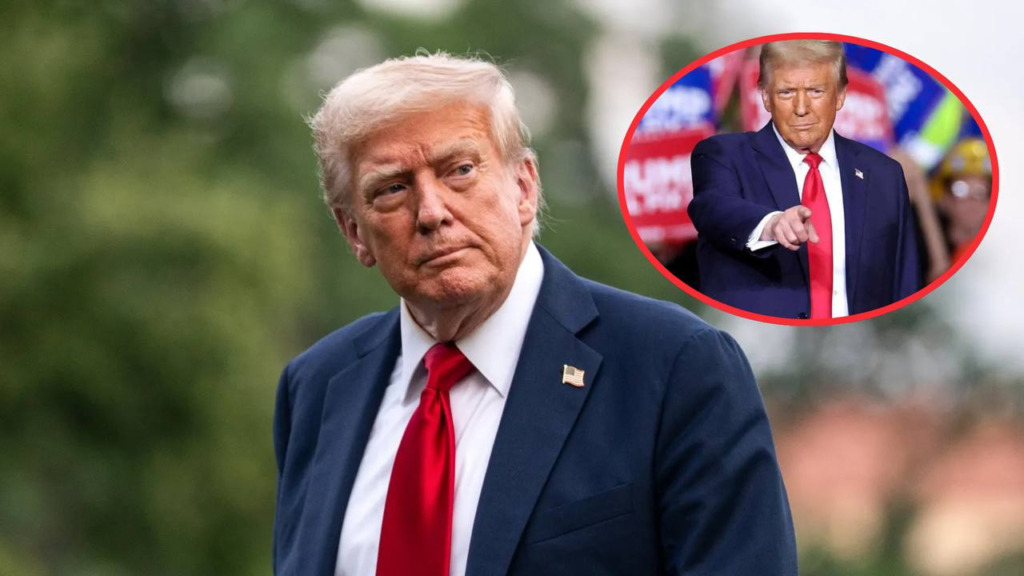
“There isn’t much time,” the U.S. president said, indicating that Washington expects meaningful progress within a short period rather than prolonged discussions.
The latest round of diplomacy has been facilitated by several regional partners, including Pakistan, Qatar and Oman, which are attempting to bridge differences between Washington and Tehran.
While the negotiations remain ongoing, officials familiar with the discussions say the current pause in military operations is intended to create space for diplomacy rather than signal a lasting de-escalation.
⸻
Military Operations Temporarily Paused
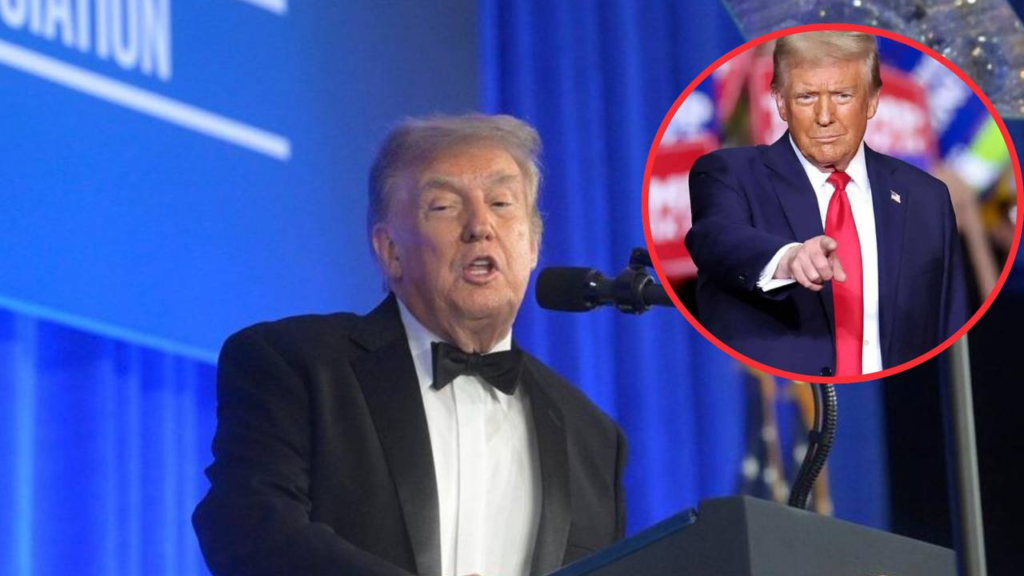
Sources familiar with the discussions said Trump approved a temporary halt to plans for broader military strikes against Iranian targets while mediators pursue a diplomatic solution.
The pause does not represent a change in Washington’s overall strategy, officials indicated. Instead, it is being viewed as an opportunity to determine whether negotiations can achieve results without further escalation.
The White House has not announced a formal deadline, but Trump’s latest comments suggest patience is limited.
⸻
Key Issues at the Negotiating Table
The discussions reportedly focus on two major security objectives.
One priority is restoring unrestricted commercial shipping through the Strait of Hormuz, one of the world’s busiest maritime trade routes and a critical corridor for global energy exports.
The second objective centers on preventing Iran from expanding its nuclear capabilities, an issue that has remained at the heart of U.S.-Iran relations for years.
American officials continue to insist that any agreement must address long-term concerns over Iran’s nuclear activities while also reducing threats to international shipping in the Gulf region.
⸻
Earlier Warnings Targeted Critical Infrastructure
Before the diplomatic pause was announced, Trump had publicly warned that the United States would respond aggressively to any future attacks linked to Iran or Iran-backed Houthi forces against international shipping.
According to multiple reports, Trump previously threatened to authorize strikes against strategic infrastructure near Tehran—including bridges or power facilities—for every attack carried out against commercial vessels.
Although those threats have not been acted upon during the current negotiating period, they continue to reflect the administration’s willingness to combine diplomacy with military pressure.
⸻
Regional Tensions Remain High
Despite renewed diplomatic contacts, security analysts caution that the situation across the Middle East remains highly fragile.
Recent weeks have seen increased military activity involving U.S. forces, Iranian-backed groups and regional allies, raising concerns that even a single incident could quickly derail negotiations.
Energy markets and international shipping companies are also closely monitoring developments around the Strait of Hormuz, where any disruption could affect global oil supplies and international trade.
⸻
International Mediation Continues
Regional governments participating in mediation efforts have urged both Washington and Tehran to avoid further military escalation while negotiations remain active.
Diplomatic sources say discussions are continuing behind closed doors, although neither side has publicly indicated that a breakthrough is imminent.
For now, the military pause remains in place, but Trump’s latest warning suggests that the opportunity for diplomacy may be short-lived if negotiations fail to produce concrete results.
⸻
Why It Matters
The latest warning from President Trump highlights the delicate balance between diplomacy and military deterrence in one of the world’s most sensitive geopolitical flashpoints. Any collapse in negotiations could increase the risk of renewed conflict, potentially affecting global energy markets, international shipping routes and regional stability across the Middle East.
⸻
TAD Perspective
While diplomatic engagement offers an opportunity to reduce tensions, both Washington and Tehran continue to maintain significant military leverage. The coming days may determine whether negotiations can prevent another cycle of escalation or whether the region moves toward renewed confrontation with wider international consequences.
Sources
The Guardian
Axios
LiveMint
i24NEWS

