
Published: July 29, 2026
By: TAD Editorial Team
⸻
CUPERTINO, California —
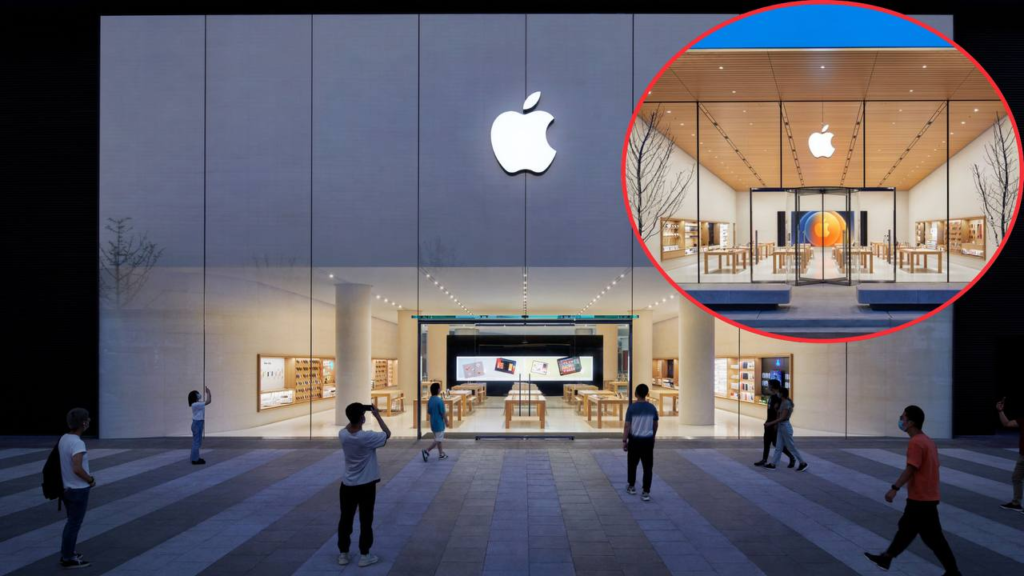
Apple is reshaping the way consumers purchase its devices with the official launch of Apple Upgrade, a new subscription-based hardware leasing program in the United States that allows customers to access the company’s latest products through fixed monthly payments rather than paying the full retail price upfront.
Developed in partnership with financial technology company Klarna, the initiative introduces a leasing model that resembles automotive financing more than traditional smartphone installment plans. Instead of owning the device immediately, customers lease eligible Apple products for a defined period before choosing whether to upgrade, purchase the device outright, or return it.
The move signals another step in Apple’s broader strategy of expanding recurring services and lowering the financial barrier for customers looking to stay within its ecosystem.
⸻
A New Way to Access Apple Devices
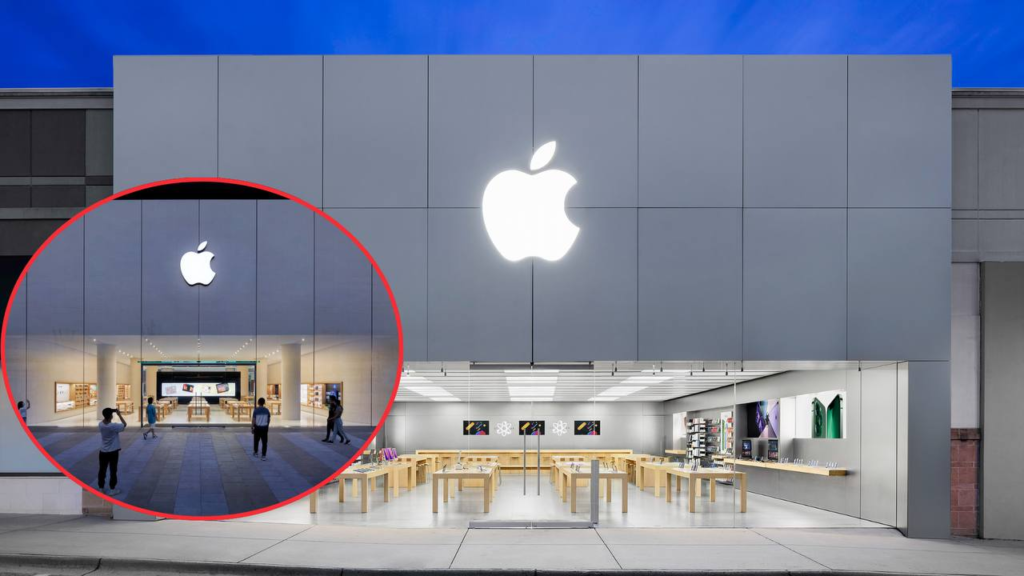
Under the new program, customers can lease several of Apple’s flagship devices for monthly payments.
Pricing begins at $17.99 per month for eligible iPhone models, while Apple Watches and iPads start at $11.99 monthly. Macs begin at $24.99 per month, making some of Apple’s premium hardware more accessible without requiring a significant upfront payment.
Unlike standard financing plans that gradually transfer ownership to the customer, Apple Upgrade functions as a lease. Customers are paying for long-term use of the hardware rather than purchasing it outright from day one.
When the lease reaches its conclusion, users can choose from several options depending on their needs.
⸻
Flexible End-of-Term Choices
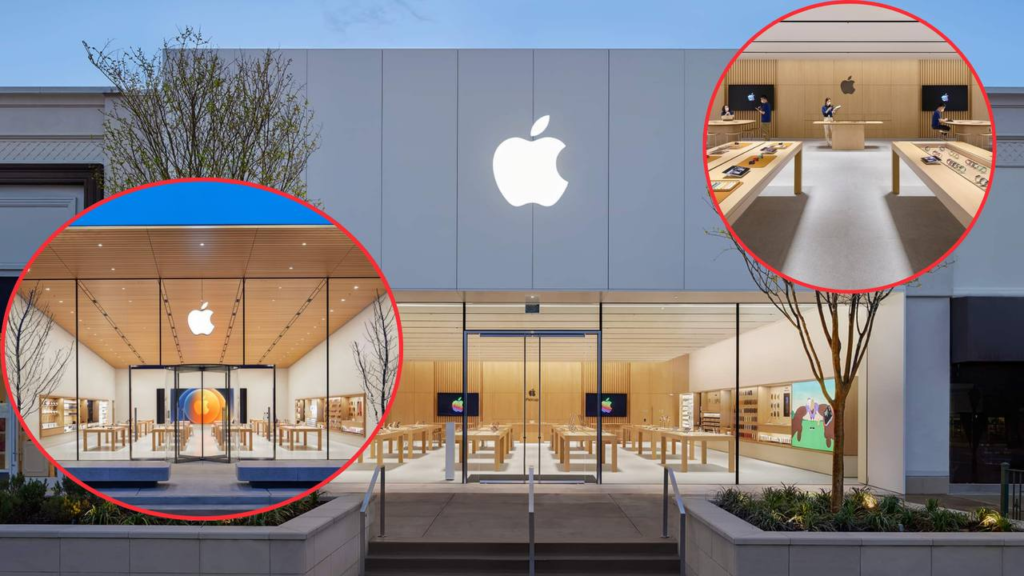
Apple says participants will not be locked into a single outcome once their agreement expires.
Customers may:
Upgrade to a newer Apple device by starting a new lease.
Purchase the leased device through a final one-time payment.
Return the hardware and end the subscription without continuing.
This flexibility mirrors leasing programs commonly found in the automotive industry, where consumers regularly replace older vehicles with newer models instead of maintaining long-term ownership.
For Apple, the model could encourage users to refresh their devices more frequently while keeping them connected to the company’s expanding ecosystem of products and services.
⸻
Lease Periods Vary by Product
The program includes different contract lengths depending on the device category.
Eligible iPhones and Apple Watches are leased over 24 months, while Macs and iPads carry 36-month agreements.
These terms reflect the different replacement cycles typically associated with each product. Smartphones and smartwatches generally receive upgrades more frequently, whereas computers and tablets are often kept for longer periods before replacement.
⸻
Not Every Apple Product Qualifies
Apple Upgrade is currently limited to selected premium devices.
According to the program details, entry-level hardware—including older iPhone 16 models and base iPad configurations—is excluded from the leasing plan.
Apple also confirmed that AppleCare+, its extended warranty and accidental damage protection service, is not automatically included with the subscription. Customers who want additional protection must purchase that coverage separately.
Industry analysts note that excluding lower-cost devices helps Apple position the program toward consumers who regularly purchase higher-end products while maintaining stronger resale values for returned hardware.
⸻
Why Apple Is Changing Its Sales Strategy
The launch comes as consumer electronics manufacturers continue facing higher component costs and changing buying habits.
Rather than requiring customers to pay hundreds—or even thousands—of dollars upfront, leasing spreads the cost across predictable monthly payments.
This approach may appeal to buyers who prefer managing technology expenses similarly to streaming subscriptions or vehicle leases.
It also allows Apple to maintain closer long-term relationships with customers by encouraging regular hardware upgrades rather than one-time purchases every several years.
The subscription model has become increasingly important across the technology sector as companies seek more stable recurring revenue beyond hardware sales alone.
⸻
Partnership With Klarna
Apple is operating the program alongside Klarna, the financial services company known for installment-payment solutions.
Klarna manages the financing and payment infrastructure behind Apple Upgrade, while Apple continues overseeing product eligibility, customer experience, and device support.
Applicants must still meet credit requirements before being approved for the leasing program, although Apple has not publicly detailed specific qualification standards.
⸻
Industry Trend Toward Hardware-as-a-Service
Apple is not the first technology company to experiment with subscription-style hardware ownership.
Over the past several years, manufacturers across the consumer electronics industry have explored “Hardware-as-a-Service” models that emphasize continuous access over permanent ownership.
Supporters argue the model provides greater flexibility for customers who always want the newest technology while reducing large upfront costs.
Critics, however, caution that long-term leasing can ultimately cost more than purchasing devices outright, particularly for customers who typically keep products well beyond two or three years.
For consumers, the financial value of the program may depend largely on how frequently they replace their devices.
⸻
Looking Ahead
The launch of Apple Upgrade represents more than another financing option—it reflects a broader shift in how technology companies are redefining ownership.
As subscription models continue expanding across software, entertainment, automobiles, and now consumer electronics, the traditional concept of purchasing expensive hardware outright is gradually evolving.
Whether customers embrace leasing over ownership will likely depend on convenience, monthly affordability, and the value they place on having access to Apple’s newest products as soon as they become available.
For Apple, the initiative could strengthen customer loyalty while creating another recurring revenue stream in an increasingly subscription-driven technology market.
⸻
Why It Matters
Apple Upgrade highlights a growing shift toward subscription-based technology ownership. By lowering upfront costs and encouraging regular upgrades, the program could influence how consumers purchase premium electronics in the coming years while strengthening Apple’s long-term services strategy.
⸻
TAD Perspective
The introduction of Apple Upgrade reflects a broader transformation across the technology industry. Consumers are increasingly paying for access rather than ownership, whether through streaming platforms, cloud software, or now hardware subscriptions. While the model offers flexibility and lower initial costs, buyers should carefully compare the total long-term expense against purchasing a device outright before committing to a lease.
Sources
The Verge
Yahoo Tech
Klarna
Apple (Program Information)

