

Published: July 24, 2026
By: TAD Editorial Team
⸻
NEW DELHI, India —
India’s youth-led protest movement has entered a critical phase after its leaders held high-level talks with the federal government, which requested additional time until Saturday afternoon (July 25) to respond to demands for the resignation of Education Minister Dharmendra Pradhan over a nationwide exam paper leak scandal.
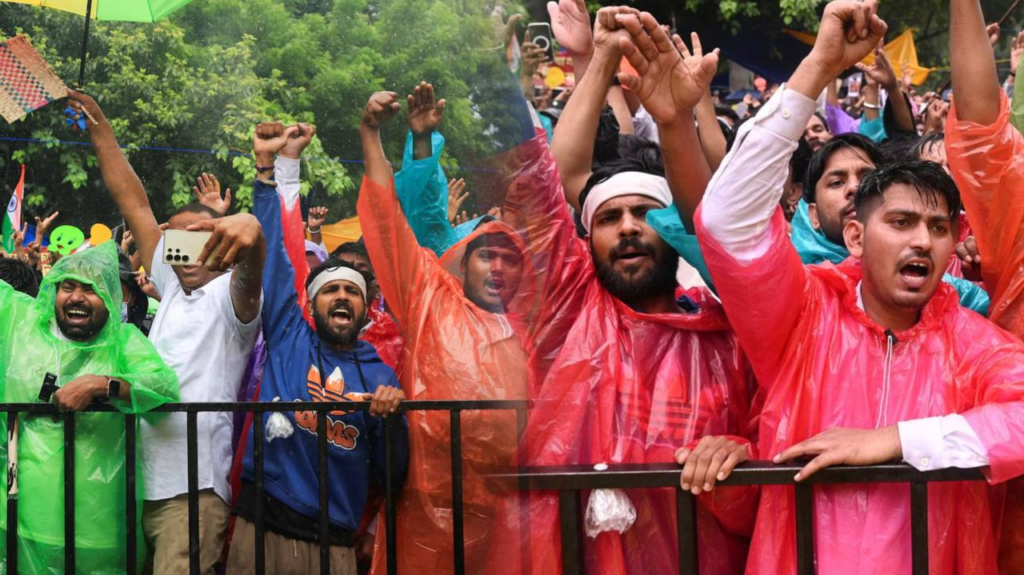
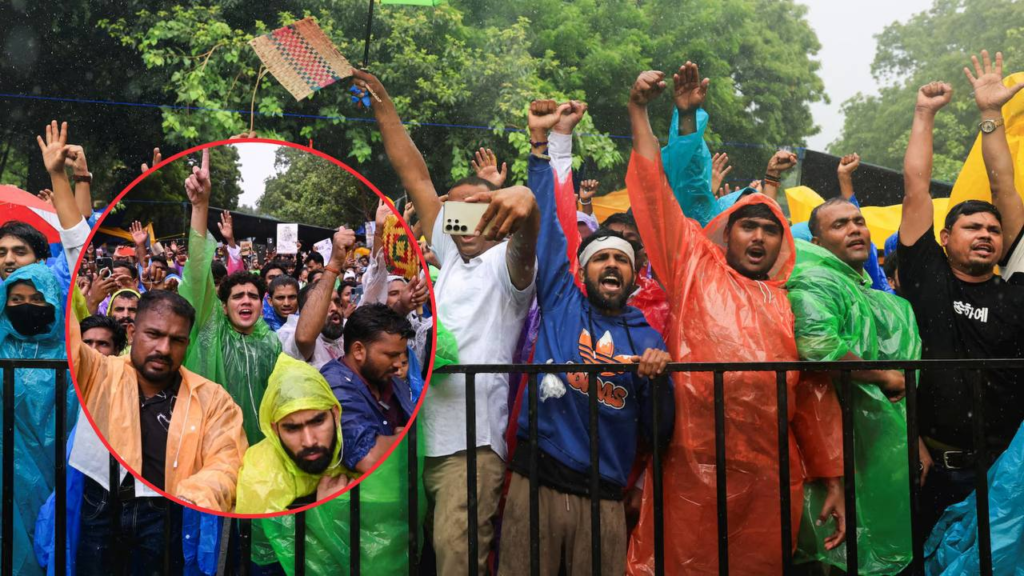
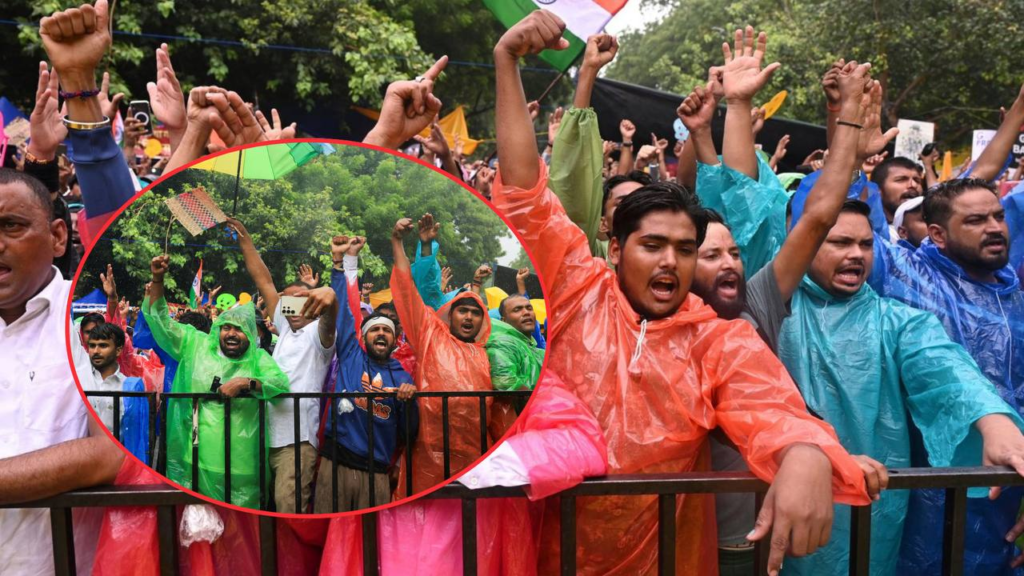
The discussions followed nearly a month of escalating demonstrations that have drawn tens of thousands of students and young people into the streets of New Delhi, making the movement one of the most significant youth-led challenges faced by Prime Minister Narendra Modi’s government since taking office in 2014.
Although both sides described Friday’s meeting as constructive, protest leaders said demonstrations would continue until the government provides a concrete response to their key demands.
⸻
Government Seeks More Time
Friday’s negotiations were held between senior federal ministers J.P. Nadda and Jitendra Singh, alongside representatives of the self-described Cockroach Janta Party (CJP) youth movement, including spokespersons Saurav Das and Ashutosh Ranka.
Following the meeting, Health Minister J.P. Nadda confirmed that the government had listened to the protesters’ concerns and requested additional time before announcing its position.
“They had three main demands. We have told them we will meet tomorrow afternoon and discuss them,” Nadda told reporters.
The request effectively delays any immediate resolution while raising expectations that further negotiations could continue over the weekend.
⸻
Hunger Strike Ends Before Talks
The negotiations came only hours after environmental activist Sonam Wangchuk ended a 26-day hunger strike, a move widely viewed as an attempt to create space for dialogue between protesters and government officials.
Wangchuk’s protest became a powerful symbol for many young Indians frustrated over alleged corruption and repeated examination scandals affecting millions of students.
His decision to end the fast was welcomed by protest organizers, who described the talks as an opportunity to seek political accountability without abandoning their broader campaign.
⸻
Three Main Demands
The youth movement continues to press the government on three primary issues:
The resignation of Education Minister Dharmendra Pradhan.
The withdrawal of police cases filed against protesters.
Financial compensation for the families of students who reportedly died by suicide following the examination paper leak scandal.
According to local media reports, more than a dozen students allegedly took their own lives after the leaked examination papers triggered uncertainty and public outrage over the fairness of the testing process.
Opposition political parties have also echoed many of these demands, increasing pressure on the ruling government.
⸻
Protests Continue Across India
Despite agreeing to negotiations, organizers proceeded with calls for nationwide demonstrations on Friday, accusing police of using excessive force against protesters who attempted to march toward Parliament earlier this week.
Scattered protests were reported in several Indian cities as students continued demanding accountability and education reforms.
The demonstrations have also disrupted the ongoing monsoon session of Parliament, where opposition lawmakers have repeatedly raised the examination controversy and criticized the government’s handling of the crisis.
The issue has quickly evolved beyond education policy, becoming a broader debate over governance, transparency and public trust.
⸻
Political Pressure Mounts
The examination leak controversy has become one of the most politically sensitive issues confronting Prime Minister Narendra Modi’s administration.
Political analysts say the protests represent an unusually broad coalition of students, young professionals and civil society groups united around concerns about fairness, employment opportunities and institutional accountability.
While the government has indicated a willingness to continue discussions, it has not publicly suggested that the education minister will step down.
The outcome of Saturday’s follow-up meeting may determine whether negotiations continue or whether protests intensify further across the country.
⸻
Why It Matters
India’s examination system affects millions of students every year, making public confidence in its integrity a matter of national importance. The current protests highlight growing frustration among young people over transparency, accountability and equal opportunity, while placing increasing political pressure on the government.
⸻
TAD Perspective
The government’s decision to open direct negotiations suggests recognition of the movement’s growing influence. However, whether dialogue alone will satisfy protesters depends largely on the government’s response to demands for accountability. As demonstrations continue nationwide, the coming days could prove decisive in determining whether the crisis moves toward compromise or deeper political confrontation.
Sources
Reuters
Al Jazeera
The Globe and Mail

