

Published: July 29, 2026
By: TAD Editorial Team
⸻
European Football Leaders Challenge FIFA’s Proposed Private Investment Deal
A major power struggle is emerging at the top of world football after UEFA launched a strong public challenge against FIFA’s plan to sell a minority stake in a new commercial company linked to the World Cup.
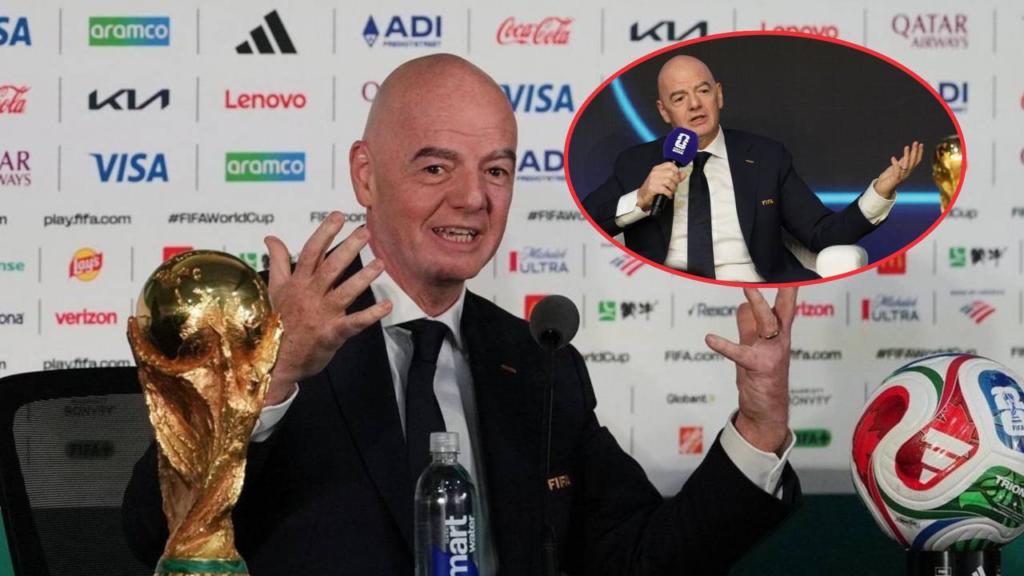
The proposal, led by FIFA President Gianni Infantino, involves creating a new commercial entity known as FIFA Forward Enterprise (FFE), designed to bring together the global tournament’s broadcasting, sponsorship, ticketing and licensing operations under one structure.
FIFA’s plan reportedly values the new company at around $20 billion, with the governing body considering selling a 20% to 30% minority stake to private investors. FIFA argues that the move would generate billions of dollars that could be distributed among its 211 member associations to support football development programs worldwide.
However, UEFA has reacted strongly, warning that bringing private investors into the heart of the World Cup business model could fundamentally change the relationship between football, money and governance.
⸻
UEFA Warns Against “Selling the Soul of Football”
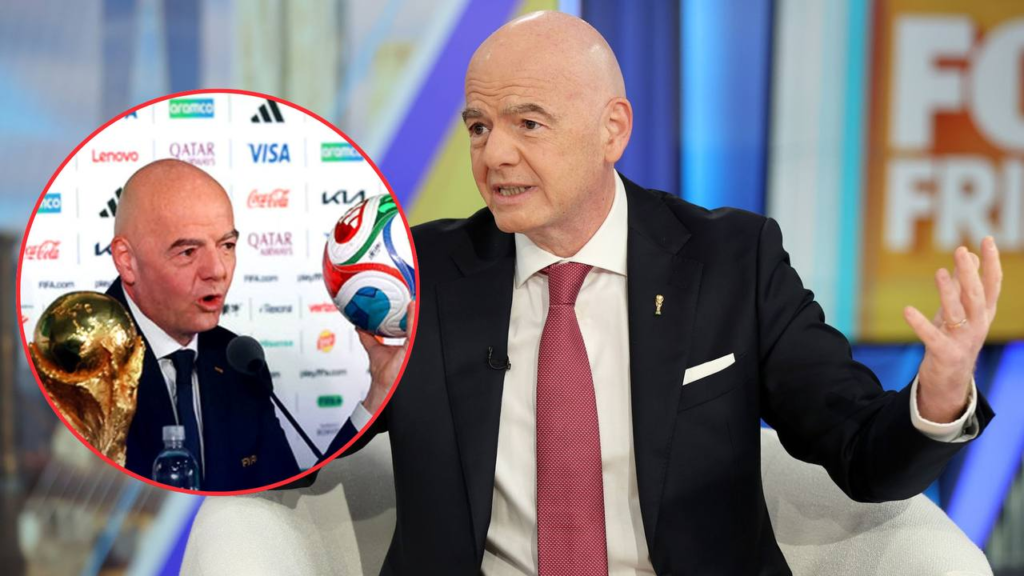
European football’s governing body has expressed deep concerns that the World Cup, widely considered the most valuable competition in international football, could become too closely tied to commercial interests.
In a sharply worded statement, UEFA criticized the idea of allowing outside investors to gain influence over one of football’s most important assets.
UEFA argued that football’s major competitions should remain under the control of sporting institutions rather than financial stakeholders seeking returns.
The organization stated that football’s governing bodies should not treat the sport as a normal commercial asset, warning that no single organization can claim ownership over the game itself.
The criticism reflects a broader debate within European football over whether global expansion and investment are strengthening the sport or pushing it toward excessive commercialization.
⸻
Why FIFA Wants Private Investment
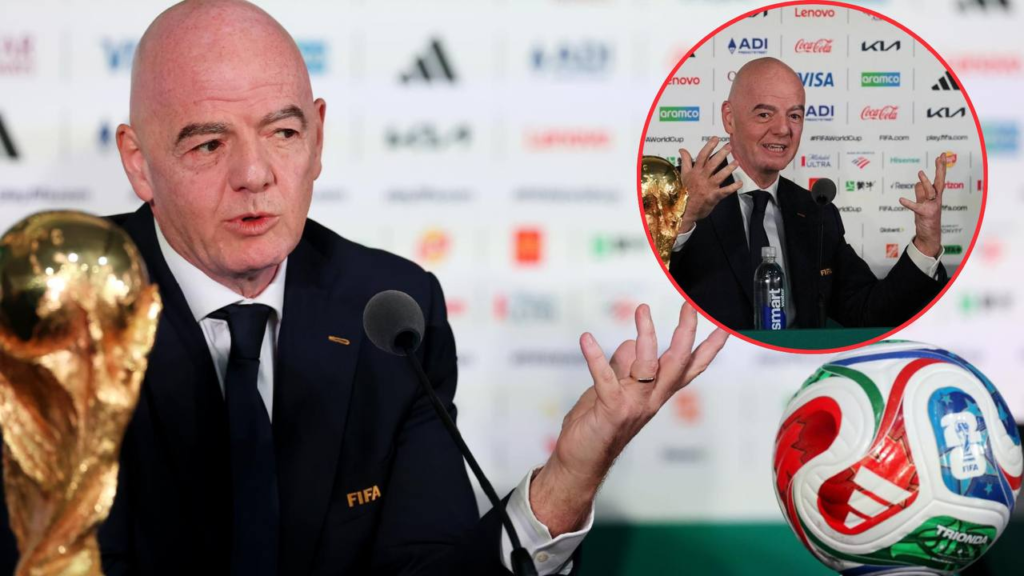
FIFA has defended the proposed structure by emphasizing the potential financial benefits.
The organization believes that creating a dedicated commercial company could unlock additional revenue from one of the most powerful sports brands in the world.
According to reports, FIFA expects the investment could raise approximately $4.2 billion, with the money intended to increase funding for football development projects across its member nations.
Supporters of the plan argue that additional private capital could help improve football infrastructure, support grassroots programs and provide more resources to countries that traditionally receive limited funding.
FIFA has also argued that the investment would not mean losing control of the World Cup itself, but rather creating a more efficient commercial platform to maximize revenue.
⸻
European Concerns Over Control and Competition
UEFA’s opposition is based on more than financial concerns.
European football leaders fear that private investors could eventually push FIFA toward decisions designed primarily to increase commercial value rather than protect sporting balance.
One major concern involves future World Cup expansion.
Critics believe investors could pressure FIFA to increase the frequency of tournaments or expand participation further in order to generate higher returns.
Such moves could create conflicts with UEFA’s own competitions, including major European club tournaments that already generate significant global revenue.
European football officials have previously expressed concerns that adding more international competitions could place additional pressure on players, clubs and domestic leagues.
⸻
Transparency Questions Add to the Dispute
The controversy has also raised questions about transparency surrounding FIFA’s decision-making process.
European officials have reportedly expressed frustration over what they see as limited consultation with national associations and other football stakeholders before announcing major commercial changes.
The involvement of investment groups connected to influential financial and political figures has also increased scrutiny.
UEFA believes decisions affecting the future direction of world football require broader discussion among federations, players, clubs and supporters.
⸻
Possible Boycott Threat Emerges
The dispute has escalated to the point where UEFA members are considering stronger responses.
Reports indicate that UEFA is preparing discussions among its 55 member associations, with some officials exploring whether participation in future FIFA competitions could become a bargaining tool.
Among the possibilities being discussed is the potential boycott of major FIFA events, including future editions of the Women’s World Cup and FIFA Club World Cup.
Such a move would represent one of the biggest institutional conflicts in modern football history.
A boycott by European nations would have significant consequences because UEFA members represent some of the sport’s most successful teams, largest markets and most influential football organizations.
⸻
A Defining Moment for Global Football Governance
The dispute between FIFA and UEFA highlights a much larger question facing modern football: who should control the future of the sport?
For FIFA, increased commercial investment represents an opportunity to expand funding and strengthen football worldwide.
For UEFA, the concern is whether financial interests could eventually outweigh sporting values and traditional governance structures.
As discussions continue, the conflict could shape how international football is managed for decades to come.
⸻
Why It Matters
The World Cup is not only the biggest event in football but also one of the most valuable entertainment properties in the world. Any change to its ownership structure, commercial direction or governance could affect national teams, players, clubs and billions of fans globally.
The disagreement between FIFA and UEFA represents a battle over the future balance between investment, growth and the traditional identity of football.
⸻
TAD Perspective
Football has always existed between two worlds: sport and business. Global investment has helped the game grow, but increasing commercialization has also created concerns about whether financial priorities could influence sporting decisions.
The FIFA–UEFA dispute shows that the future of football may depend on finding a balance between generating revenue and protecting the values that made the sport globally influential.
Sources
Sky Sports
Yahoo Sports
CBS Sports

