

Published: July 29, 2026
By: TAD Editorial Team
—
WASHINGTON, D.C. —
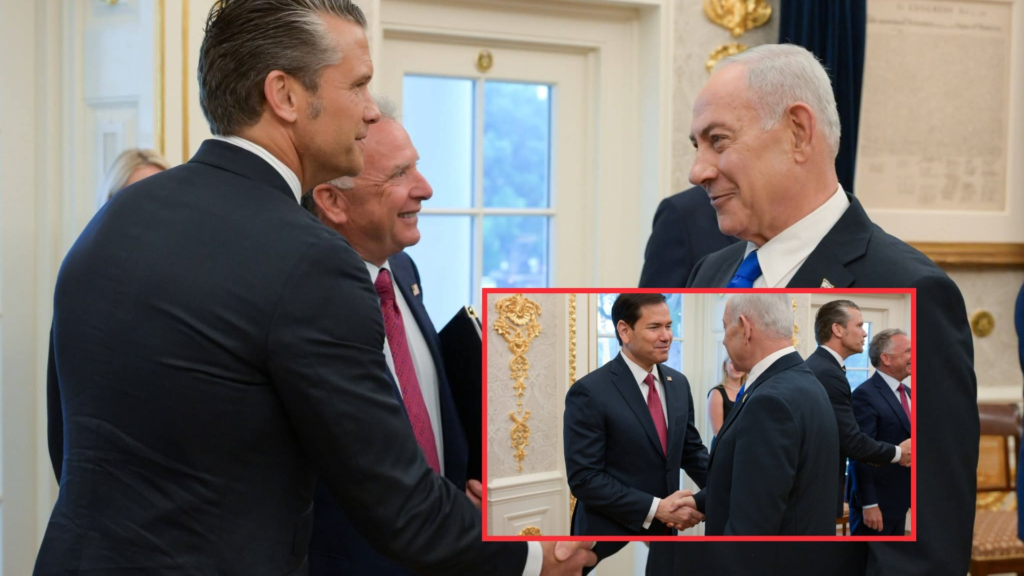
Fresh images released by the Israeli Prime Minister’s Office have revealed Israeli Prime Minister Benjamin Netanyahu meeting U.S. President Donald Trump at the White House, highlighting a new round of strategic discussions centered on Iran, regional security, and the future of U.S.-Israel cooperation following recent military operations.
The meeting comes at a critical moment as both governments assess the aftermath of recent strikes targeting Iranian military infrastructure and consider their next diplomatic and security steps in the Middle East.
Although officials released only limited details publicly, the talks reportedly focused on preventing Iran from rebuilding its military capabilities while maintaining close coordination between Washington and Jerusalem.
—
Iran’s Nuclear Activities Return to Center Stage
One of the most significant issues discussed was Iran’s nuclear program.
According to reports, Netanyahu planned to present updated Israeli intelligence suggesting that Iran is continuing efforts to expand or restore elements of its nuclear infrastructure despite damage caused during recent military operations.
Israeli officials remain concerned that Tehran could accelerate nuclear-related activities if international pressure weakens, arguing that continued monitoring and strategic coordination are essential.
Iran has consistently maintained that its nuclear program is intended for peaceful civilian purposes, while Western governments and Israel continue expressing concerns over its potential military dimensions.
—
Diplomacy Remains Uncertain
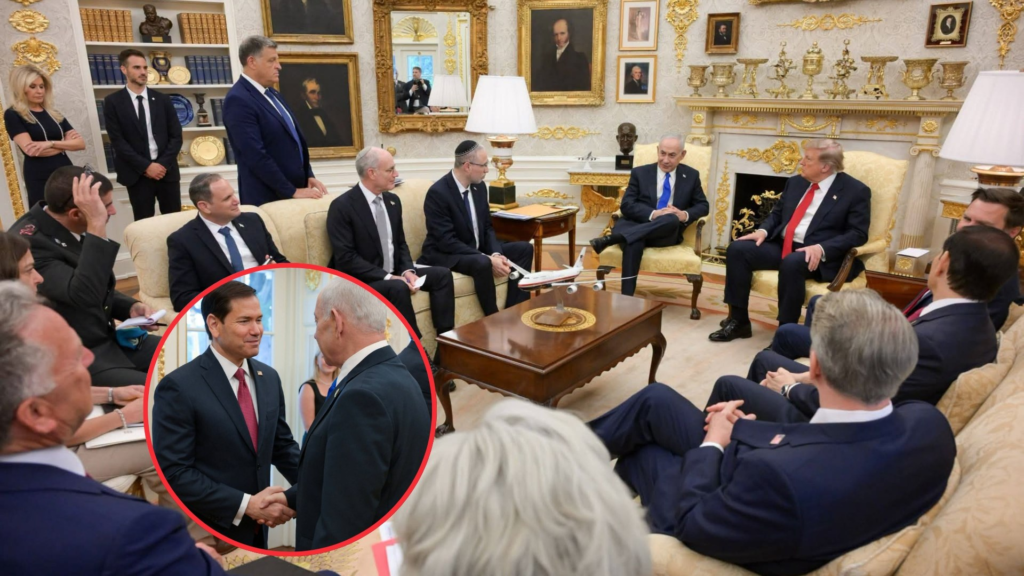
The meeting also took place against the backdrop of stalled diplomatic efforts.
While President Trump has repeatedly expressed optimism that a negotiated settlement with Iran remains possible, Tehran has yet to signal willingness to resume direct talks with Washington.
Recent regional tensions have further complicated diplomatic efforts, with both sides maintaining firm public positions while avoiding any confirmed timetable for renewed negotiations.
Analysts say the absence of direct communication increases uncertainty over how future disagreements could be managed.
—
Security Cooperation in Focus
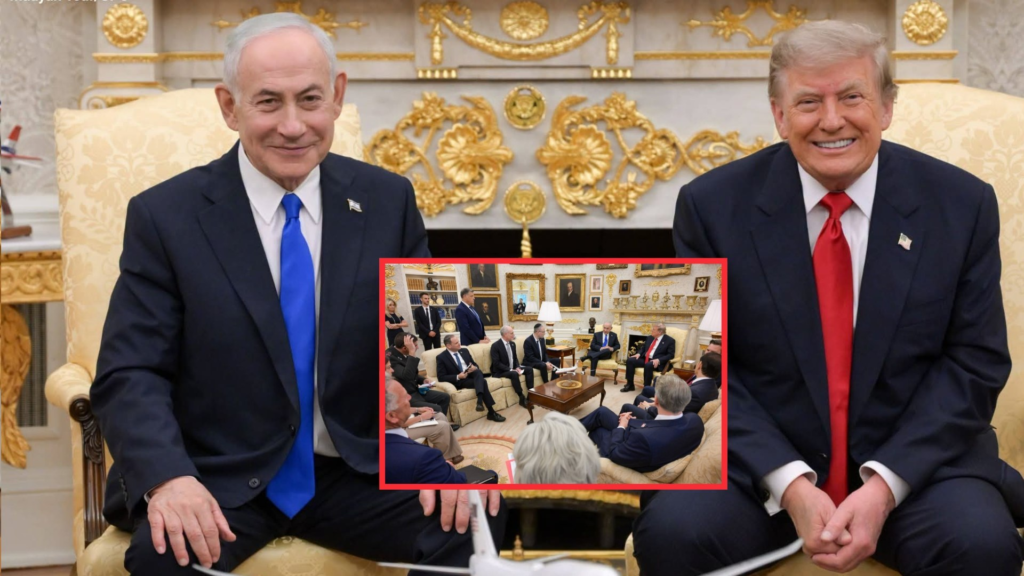
Beyond nuclear concerns, the White House meeting underscored the long-standing strategic partnership between the United States and Israel.
Officials reportedly discussed intelligence sharing, regional deterrence, and broader security coordination following recent military developments involving Iran and its allied groups across the Middle East.
Both governments continue to describe their security partnership as a key element of regional stability, particularly amid ongoing conflicts involving proxy forces in several countries.
—
Regional Tensions Continue
The discussions come as Middle East security remains fragile following weeks of military exchanges involving Iran, Israel, and U.S. forces.
Although large-scale fighting has eased compared with previous weeks, intelligence assessments from multiple governments continue to warn that regional tensions remain elevated.
Observers say decisions made during high-level meetings such as this one could influence future diplomatic initiatives, military planning, and international efforts aimed at preventing further escalation.
—
Why It Matters
The Trump-Netanyahu meeting reflects continuing efforts by Washington and Jerusalem to coordinate policy toward Iran at a time when nuclear concerns, regional security, and diplomacy remain closely interconnected. Any shift in strategy could have significant implications for Middle East stability and international negotiations.
—
TAD Perspective
As military operations give way to diplomatic calculations, intelligence assessments are likely to play an increasingly influential role in shaping policy decisions. Whether future developments lead to renewed negotiations or greater confrontation will depend not only on military capabilities but also on the willingness of all parties to re-engage through diplomatic channels.
Sources
* Axios
* Al Jazeera
* Israeli Prime Minister’s Office
* White House Pool Reports
* Reuters (background)
* Associated Press (background)

