

Published: July 29, 2026
By: TAD Editorial Team
⸻
KUMAMOTO, Japan —
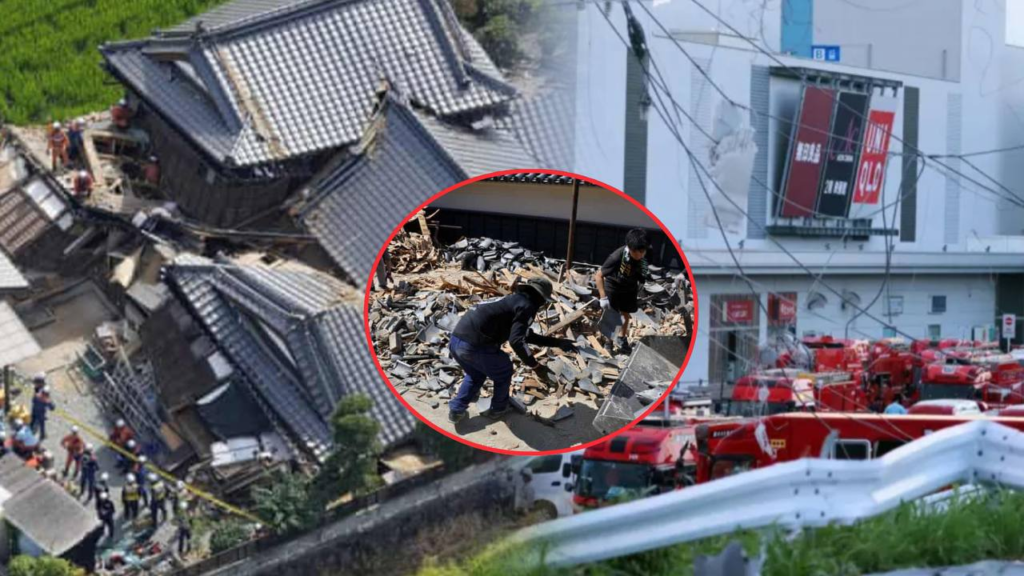
Emergency crews across Japan’s southwestern island of Kyushu are working against the clock after a powerful 7.1-magnitude earthquake struck Kumamoto Prefecture on Tuesday afternoon, leaving at least 13 people dead, dozens injured, and an unknown number still trapped beneath collapsed buildings.
The strong earthquake shook large parts of Kyushu, causing widespread structural damage, disrupting transportation, knocking out electricity to tens of thousands of homes, and forcing hundreds of thousands of residents to evacuate as authorities warned that dangerous aftershocks could continue over the coming days.
Prime Minister Sanae Takaichi described the rescue mission as a “race against time,” emphasizing that every available resource was being mobilized to locate survivors before conditions became even more challenging.
The disaster has rapidly become one of Japan’s most serious natural emergencies of the year, testing the country’s highly developed disaster response system despite its long experience with major earthquakes.
⸻
Buildings Collapse Across Kumamoto
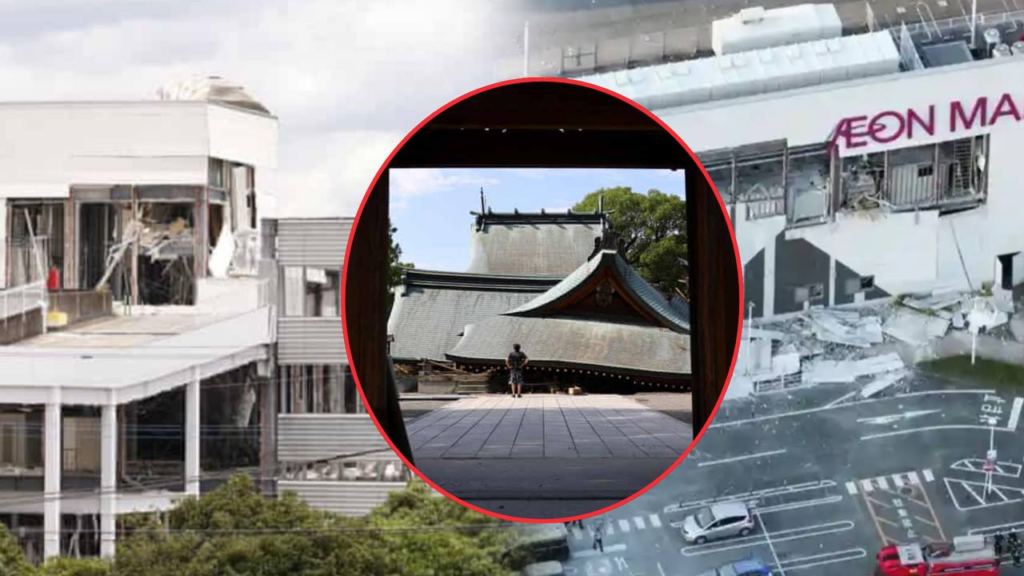
The earthquake struck with enough force to trigger severe destruction across multiple cities and towns in Kumamoto Prefecture.
Among the hardest-hit locations was the Aeon Mall in Kashima Town, where part of the building’s second floor collapsed after what authorities believe may have been a gas leak explosion triggered by the quake. Rescue workers immediately rushed to the shopping complex after reports that numerous shoppers had become trapped beneath falling concrete and steel.
Officials confirmed that at least two women lost their lives inside the shopping center, while search teams continued combing through unstable sections of the building for additional victims.
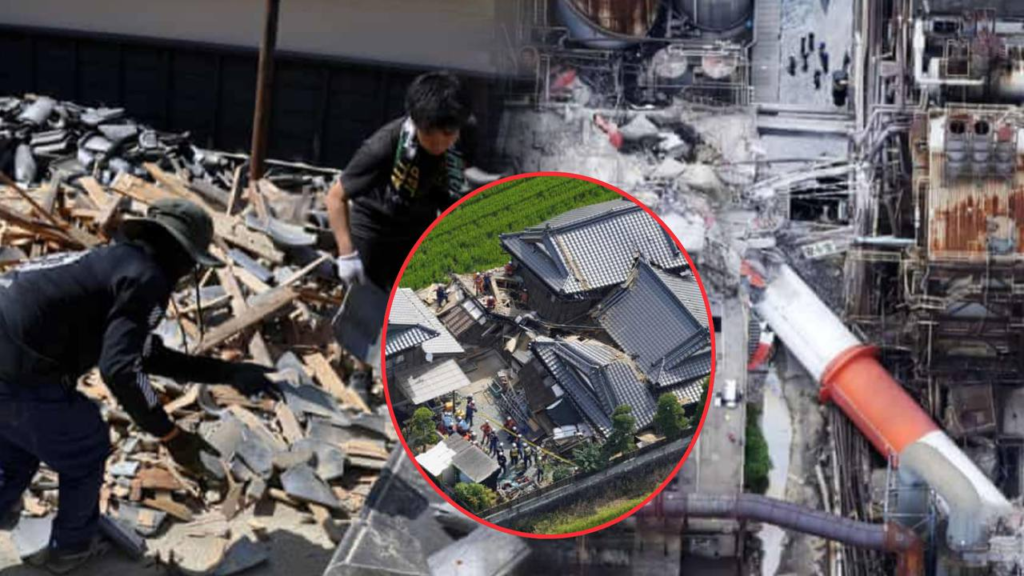
Elsewhere, industrial facilities also suffered extensive damage. A towering chimney at the Nippon Paper Industries factory in Yatsushiro crumbled during the earthquake, trapping workers beneath heavy debris and prompting another large-scale rescue operation involving firefighters, engineers, and specialized search units.
Historic landmarks were not spared either. Sections of Kumamoto Castle, one of Japan’s best-known cultural treasures, sustained structural damage, with reports of collapsed stone walls and cracks appearing throughout parts of the centuries-old complex.
Authorities have begun assessing the full extent of the damage, though officials say restoration work could take months once emergency operations conclude.
⸻
Transport and Utilities Severely Disrupted
The powerful tremor caused widespread disruption to transportation infrastructure across Kyushu.
Roads buckled under the force of the quake, several bridges developed significant cracks, and railway services were interrupted after train cars derailed at Yatsushiro Station. Engineers have since begun inspecting highways, railway lines, and public facilities to determine whether they remain safe for use.
Power outages have also affected daily life throughout the region.
Government officials reported that more than 36,000 households remained without electricity Tuesday evening, leaving thousands of residents without air conditioning during an ongoing summer heatwave.
Utility companies have dispatched repair crews, but authorities warned that restoring power to every affected community may require several days depending on the severity of infrastructure damage.
⸻
Massive Rescue Operation Underway
Japan’s central government responded within hours of the disaster by deploying thousands of emergency personnel to Kumamoto.
Approximately 3,600 members of the Japan Self-Defense Forces, supported by 20 military aircraft, were sent to assist local firefighters, police officers, medical teams, and disaster response agencies.
Heavy machinery, search dogs, and specialized rescue equipment have been transported into the affected areas to help locate people trapped beneath collapsed buildings.
Prime Minister Takaichi said protecting lives remains the government’s highest priority.
Emergency shelters have also been established across the region as authorities work to provide food, drinking water, blankets, and medical assistance to displaced residents.
⸻
Hundreds of Thousands Receive Evacuation Advisories
As rescue efforts continued, local governments issued evacuation advisories affecting more than 260,000 residents across Kumamoto and neighboring Nagasaki Prefecture.
Thousands of families moved into schools, public halls, and temporary evacuation centers after officials warned that damaged buildings could collapse if strong aftershocks occur.
The Japan Meteorological Agency (JMA) recorded the earthquake at the maximum Intensity 7 on the country’s seismic scale in the hardest-hit areas.
Seismologists continue to warn that significant aftershocks remain possible over the next several days, increasing risks for damaged structures and complicating rescue operations.
Residents have been urged to avoid entering unstable buildings unless instructed by emergency officials.
⸻
Communities Face Long Recovery
Although Japan maintains some of the world’s strictest earthquake-resistant building standards, Tuesday’s earthquake demonstrated that powerful seismic events can still cause widespread destruction, particularly where older buildings and infrastructure are involved.
Hospitals across Kumamoto remain busy treating people suffering from fractures, cuts, and other injuries sustained during the earthquake.
Meanwhile, emergency officials continue searching collapsed structures in hopes of finding additional survivors while also preparing for a lengthy recovery process that will include rebuilding damaged infrastructure, restoring utilities, and supporting thousands of displaced residents.
Authorities have not ruled out the possibility that the death toll could rise as rescue workers gain access to areas that remain inaccessible due to unstable debris.
Investigations are also expected into gas leaks, infrastructure failures, and structural collapses that occurred during the disaster.
⸻
Why It Matters
Japan sits along the Pacific “Ring of Fire,” making earthquakes a constant threat. While the country has invested heavily in earthquake-resistant construction and emergency preparedness, powerful seismic events continue to pose significant risks to lives, infrastructure, and the economy. The Kumamoto earthquake serves as another reminder that rapid emergency response and resilient infrastructure remain essential in one of the world’s most seismically active regions.
⸻
TAD Perspective
The immediate priority remains rescuing survivors and ensuring public safety. As emergency teams continue their search operations, attention will gradually shift toward assessing infrastructure resilience, restoring essential services, and determining whether additional measures are needed to strengthen disaster preparedness. The coming days will be critical not only for rescue efforts but also for understanding the full impact of the earthquake on communities across Kyushu.
Sources
EDNews
CBS42 / Associated Press
Japan Meteorological Agency (JMA)
Local Japanese government emergency updates

