

Published: July 20, 2026
Written by: TAD Editorial Team
Summary
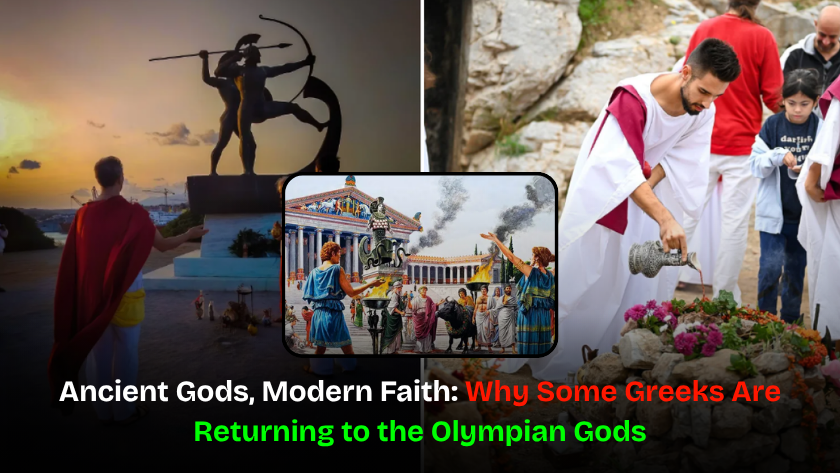
For many people around the world, Zeus, Athena, Apollo and Poseidon exist only in mythology books or Hollywood films. Yet in modern Greece, a growing number of people believe these ancient gods are far more than legendary figures. Small but dedicated communities continue to worship the Olympian deities through ceremonies, prayers and seasonal festivals, describing their faith as a living spiritual tradition rather than a recreation of history.
While the movement remains a minority religion in a country where Greek Orthodoxy dominates, its followers say they are reconnecting with a spiritual heritage that has shaped Greek civilization for thousands of years.
Ancient Religion in a Modern Nation
The temples of Ancient Greece have stood for centuries as symbols of philosophy, democracy and mythology. Millions of visitors admire landmarks such as the Acropolis each year, often viewing them as archaeological treasures rather than sacred places.
For practitioners of modern Hellenic Polytheism, however, these sites represent something far deeper. They believe the ancient Greek religion never truly disappeared but survived through cultural memory and has gradually re-emerged as a legitimate spiritual path.
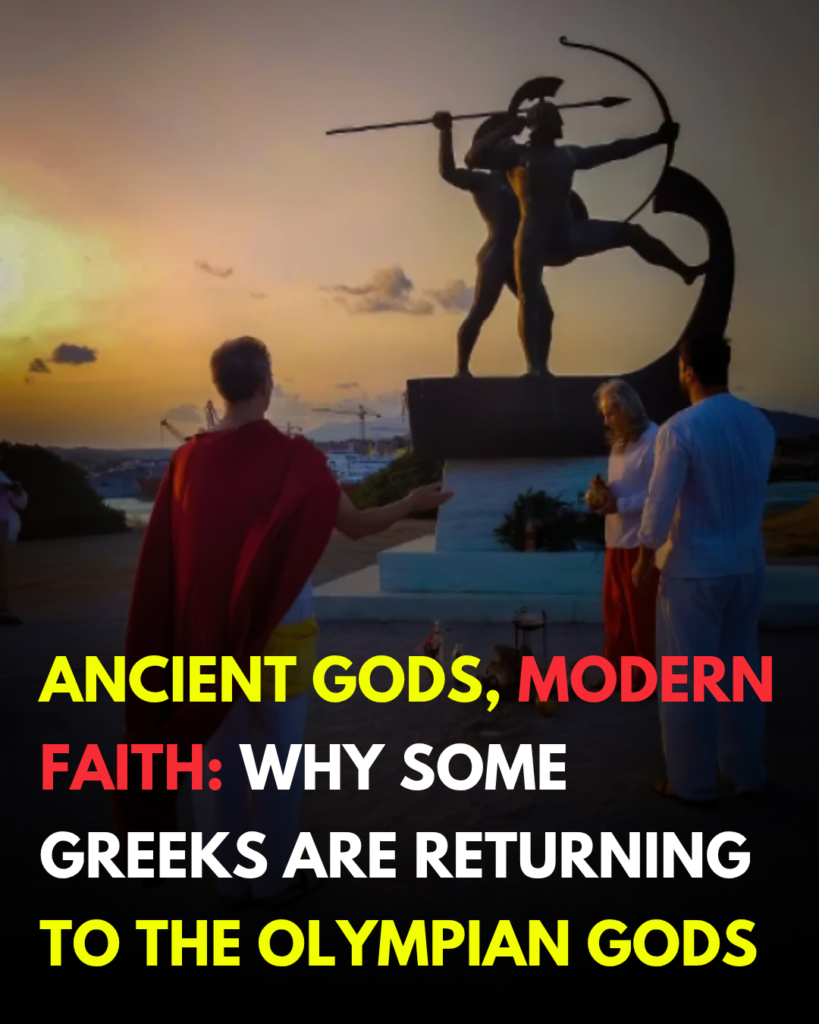
Organizations such as Labrys, based in Athens, regularly organize public ceremonies honoring gods including Athena, Zeus, Dionysus and Apollo. Participants describe these gatherings as religious worship rather than historical reenactments.
Their rituals often include prayers, hymns inspired by ancient texts, symbolic offerings, incense, music and seasonal festivals based on traditions recorded in classical Greek history.
More Than Mythology
Modern Greek polytheists emphasize that mythology should not always be interpreted literally.
Instead, they see the ancient myths as symbolic narratives that communicate moral values, natural forces and humanity’s relationship with the divine.
Athena represents wisdom, justice and strategic thinking.
Apollo symbolizes knowledge, healing and artistic inspiration.
Poseidon embodies the power and unpredictability of the sea.
Zeus represents order, justice and leadership.
Followers believe these deities continue to influence the world spiritually, although individuals understand those relationships in different ways.
Many practitioners explain that their faith focuses less on miraculous intervention and more on cultivating virtue, discipline, gratitude and respect for nature.
Why Are More People Interested?
Interest in ancient Greek religion has grown steadily over the past two decades for several reasons.
Many younger Greeks say they want to reconnect with pre-Christian aspects of their cultural identity.
Others are attracted by philosophical ideas found in classical Greek literature and the ethical teachings of ancient philosophers.
International interest has also increased as Greek mythology continues to inspire books, films, television series and video games. Popular culture often introduces audiences to characters such as Zeus, Athena and Hades, encouraging some people to explore the historical and religious traditions behind those stories.
Religious scholars note that while mythology has become global entertainment, a small number of believers view these figures as living deities deserving reverence rather than fictional characters.
A Community Built Around Tradition
Modern ceremonies typically combine historical research with contemporary practice.
Because many ancient rituals were never completely documented, communities reconstruct traditions using archaeological evidence, surviving classical writings and academic research.
Festivals honoring Athena, Dionysus and other Olympian gods continue to be celebrated by participants who gather for prayers, music, offerings and communal meals.
Organizers describe these events as opportunities to strengthen community ties while expressing gratitude toward the divine.
Unlike the image often portrayed in popular culture, participants say their religion emphasizes responsibility, hospitality, moderation and respect for both nature and society.
Challenges and Misconceptions
Despite increasing visibility, practitioners remain a small minority in Greece.
Many report that their beliefs are misunderstood or dismissed as historical role-playing rather than genuine religious practice.
Others argue that modern portrayals of Greek mythology sometimes separate ancient civilization from contemporary Greek identity, reducing a living cultural tradition to entertainment.
At the same time, scholars caution that Hellenic Polytheism is not a single unified movement. Different organizations hold different theological interpretations and approaches to ritual practice.
Cultural Significance
Regardless of religious belief, the revival of interest in ancient Greek traditions reflects broader conversations about identity, heritage and spirituality.
The movement has also encouraged renewed academic interest in ancient philosophy, classical literature and historical religious practices.
For tourists visiting Greece, witnessing public ceremonies can provide another perspective on a civilization often viewed only through museums and archaeological sites.
Why It Matters
The continued practice of Hellenic Polytheism illustrates how ancient traditions can find new relevance in modern society.
Rather than simply preserving history, participants say they are preserving values they believe remain meaningful today—wisdom, justice, courage, balance and respect for the natural world.
As conversations about cultural identity and spiritual diversity continue across Europe, Greece’s ancient religious traditions remain part of an evolving national story.
TAD Analysis
Although Hellenic Polytheism remains a minority faith, its gradual revival highlights a broader global trend in which people seek spiritual meaning through historical and indigenous traditions. The movement demonstrates that ancient religions can continue to influence modern society beyond literature and popular culture. Whether viewed as faith, philosophy or cultural heritage, renewed interest in the Olympian gods reflects an enduring connection between Greece’s past and present.
Editor’s Note
This article is based on reporting from multiple publications together with historical and cultural references concerning Greek mythology and contemporary Hellenic Polytheism. The article has been independently written by TAD Editorial Team and is intended as an informative feature rather than a theological endorsement.
Sources
- Greeking.me
- Greek Travel Tellers
- Hellenic Faith
- iNews
- CNN feature article provided by the user

