

Published: July 25, 2026
By: TAD Editorial Team
—
SANA’A / RIYADH —
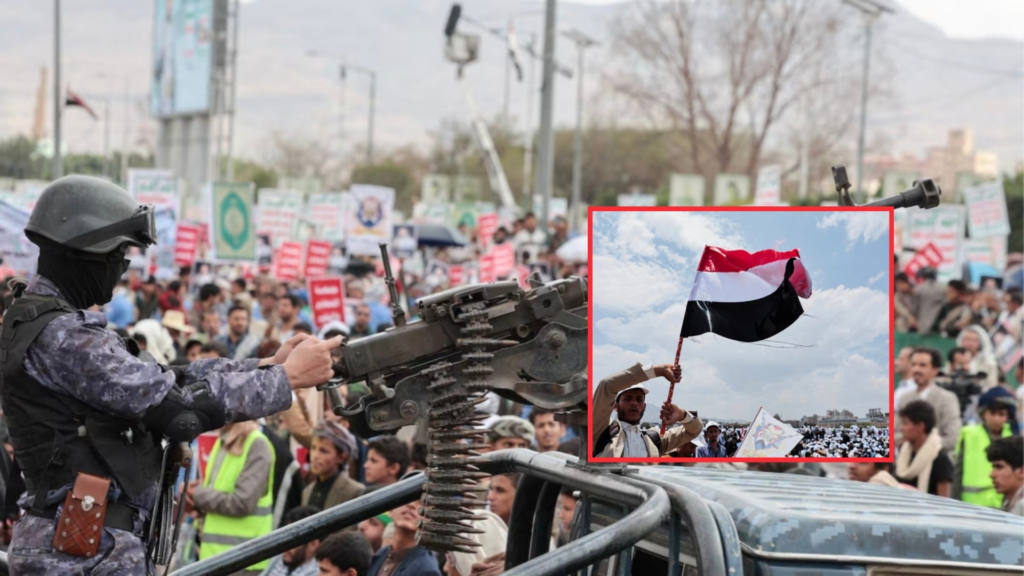
Regional tensions in the Middle East are once again intensifying as Yemen’s Iran-backed Houthi movement increases pressure on Saudi Arabia following the collapse of an interim ceasefire linked to the broader Iran conflict.
Security analysts and regional officials say the renewed instability threatens to undermine years of diplomatic progress between Saudi Arabia and Iran, while placing new risks on global energy supplies and one of the world’s busiest maritime trade routes.
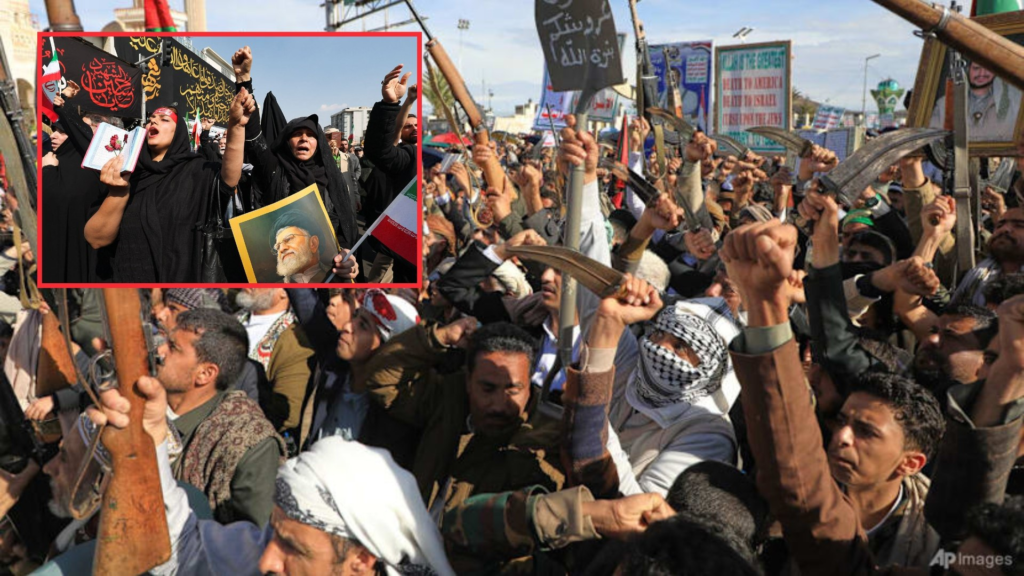
The latest developments come as Saudi Arabia attempts to maintain stability while preparing for several major international events, including Expo 2030 and the 2034 FIFA World Cup.
—
Fragile Regional Calm Begins to Unravel
The current escalation follows the breakdown of a temporary truce that had helped reduce direct confrontation in Yemen.
That ceasefire had complemented the diplomatic rapprochement reached between Saudi Arabia and Iran in 2023, allowing Riyadh to shift greater attention toward its long-term economic diversification strategy under Vision 2030.
However, recent developments suggest that regional tensions are once again spilling across multiple fronts.
Political observers believe the Houthis now see an opportunity to strengthen their negotiating position while increasing pressure on both Saudi Arabia and the United States.
—
Red Sea Shipping Faces Renewed Risks
One of the biggest concerns involves the security of maritime trade routes through the Bab al-Mandeb Strait, a strategic waterway connecting the Red Sea with the Gulf of Aden and the Indian Ocean.
Although a senior Houthi official has stated that commercial shipping from countries other than Saudi Arabia remains unaffected, analysts warn that any disruption could threaten oil exports transported through Saudi pipelines to the Red Sea.
The route has become increasingly important as an alternative to the Strait of Hormuz, another critical energy corridor that has faced heightened security concerns during recent regional tensions.
Energy markets remain closely focused on developments, as prolonged instability could affect global shipping costs and international oil prices.
—
Saudi Arabia Faces Difficult Choices
For years, Saudi Arabia has pursued negotiations with the Houthis in an effort to reduce violence after nearly a decade of conflict in Yemen.
The Kingdom has supported measures that allowed continued operations at Hodeidah Port and eased certain financial restrictions in Houthi-controlled areas as confidence-building efforts.
Despite those concessions, recent actions by the Houthis have raised doubts among many regional observers about whether a lasting political settlement remains achievable.
Some analysts argue that Saudi policymakers increasingly believe delaying confrontation may ultimately create greater long-term security risks.
—
International Attitudes Continue to Shift
Since late 2023, Houthi attacks targeting commercial shipping in the Red Sea and missile launches toward Israel have significantly changed international perceptions of the group.
Western governments have also criticized the Houthis over the detention of United Nations personnel and continued attacks affecting international maritime traffic.

Regional analysts believe these developments have generated broader international support for stronger security measures aimed at protecting global trade routes.
Should Saudi Arabia decide to increase military involvement again, experts suggest international political pressure may be considerably lower than during previous stages of the Yemen conflict.
—
Global Trade Watches Carefully
The Bab al-Mandeb Strait remains one of the world’s most strategically important maritime chokepoints, carrying a significant portion of international trade between Europe and Asia.
Any sustained disruption could affect global supply chains, shipping insurance costs and energy markets far beyond the Middle East.
While no major escalation has yet occurred, governments and shipping companies continue closely monitoring developments.
—
Why It Matters
Renewed instability in Yemen extends well beyond the country’s borders. The security of Red Sea shipping lanes directly affects global trade, oil markets and international supply chains. Any further escalation between the Houthis and Saudi Arabia could have economic consequences worldwide.
—
TAD Perspective
The latest tensions demonstrate how fragile diplomatic progress in the Middle East remains. Although negotiations have reduced violence in recent years, unresolved political disputes continue to create opportunities for renewed conflict. Maintaining regional stability will likely require both continued diplomacy and stronger maritime security cooperation among international partners.
Sources
* Reuters
* The Economic Times
* Reuters Graphics
* Regional security analysts
* Public statements from Houthi and Saudi officials

