Published: July 28, 2026
By: TAD Editorial Team
⸻
BEIJING —
A fresh dispute between the world’s two largest economies is unfolding in the artificial intelligence sector after China accused the United States of pursuing what it described as “artificial intelligence hegemonism” and warned that Beijing would respond if Washington imposes new restrictions on Chinese AI developers.
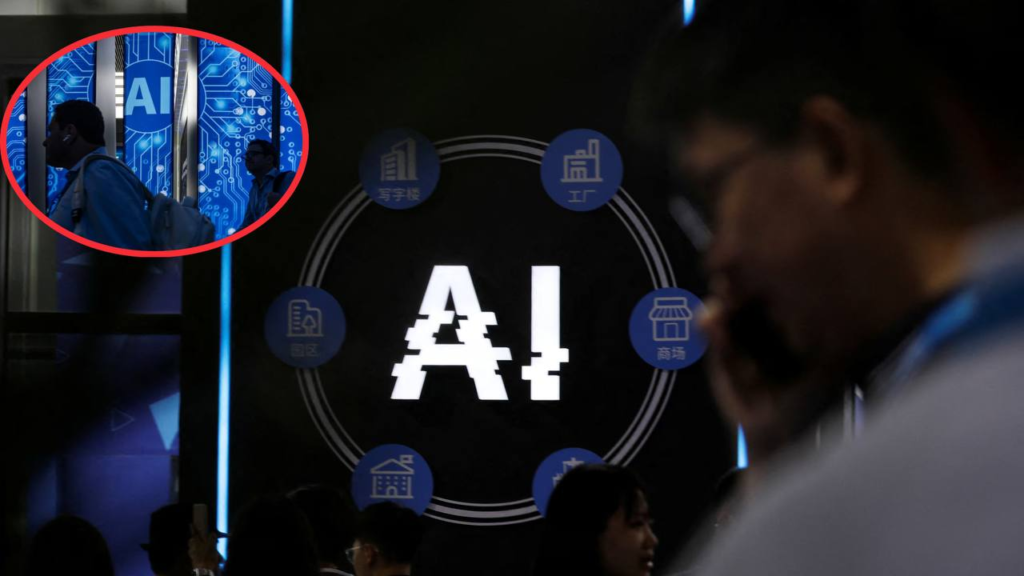
The statement from China’s Ministry of Commerce came after senior U.S. officials signaled that Washington is considering investigations, trade controls and financial sanctions targeting Chinese artificial intelligence companies over allegations of intellectual property theft.
The latest exchange marks another escalation in the technology rivalry between the two countries, extending competition beyond semiconductors into advanced AI models that are increasingly viewed as strategic national assets.
⸻
Washington Raises Concerns Over AI Model Development
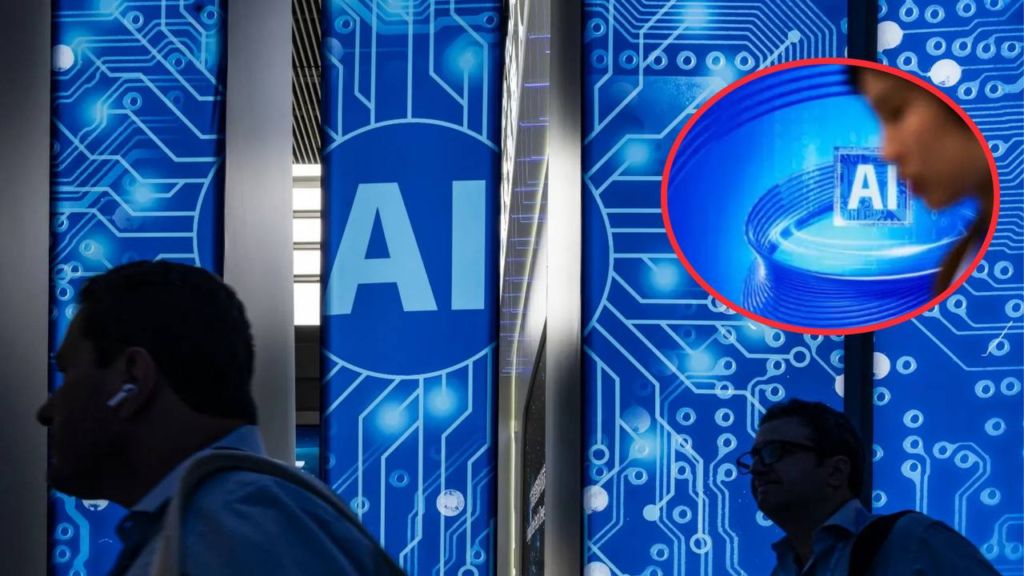
The latest tensions follow remarks from senior U.S. officials, including Treasury Secretary Scott Bessent and White House Office of Science and Technology Policy Director Michael Kratsios, who alleged that certain Chinese technology firms may have used American-developed AI systems without authorization.
According to U.S. officials, some companies are suspected of conducting large-scale “model distillation” to replicate the capabilities of leading American artificial intelligence models.
Washington argues that such practices could undermine intellectual property protections while giving foreign competitors access to years of costly AI research and development.
Although U.S. authorities have not announced formal penalties, officials indicated that multiple options—including export controls, financial sanctions and regulatory investigations—remain under consideration.
Moonshot AI at the Center of the Dispute
Much of the current debate centers on Moonshot AI, a Beijing-based startup behind the recently released Kimi K3 large language model.
U.S. officials have alleged that the company may have relied on outputs generated by Anthropic’s advanced Claude Fable 5 model when developing its own system.
Moonshot AI has firmly rejected the accusation.
The company stated that Kimi K3’s performance improvements resulted from its own engineering work, model architecture and training methods rather than unauthorized copying of another company’s technology.
No public evidence has yet been released by U.S. authorities to support the allegations.
⸻
China Defends Industry Practice
China’s Ministry of Commerce dismissed Washington’s accusations and argued that “model distillation” is a widely recognized technique used throughout the global artificial intelligence industry.
The ministry maintained that many international AI developers—including companies based in the United States—have employed similar methods during research aimed at improving efficiency and reducing computing costs.
Chinese officials accused Washington of applying different standards to domestic and foreign companies while using national security concerns to suppress competitors.
Beijing warned that if additional restrictions are imposed on Chinese AI firms, China will take “necessary countermeasures” to safeguard the legitimate interests of its technology industry.
⸻
Potential Sanctions Could Carry Major Consequences
Industry analysts say one possible outcome would involve adding Moonshot AI or other Chinese firms to the U.S. Commerce Department’s Entity List.
Companies placed on the list face significant restrictions when purchasing American technology, including advanced semiconductors, cloud-computing services and specialized software.
Such measures have previously been applied to Chinese telecommunications giant Huawei and several semiconductor companies.
If expanded to leading AI developers, analysts believe the restrictions could reshape global competition in artificial intelligence while accelerating China’s efforts to develop more independent technology ecosystems.
⸻
Technology Competition Continues to Intensify
Artificial intelligence has become one of the most strategically important sectors in the global economy.
Both Washington and Beijing have invested heavily in AI research while introducing policies designed to strengthen domestic innovation and protect critical technologies.
The latest disagreement reflects broader geopolitical competition that already spans advanced chip manufacturing, cloud computing, quantum technology and digital infrastructure.
As AI capabilities continue advancing rapidly, policymakers in both countries increasingly view leadership in artificial intelligence as closely tied to economic competitiveness and national security.
⸻
Why It Matters
The dispute highlights how artificial intelligence has evolved from a commercial technology into a strategic geopolitical issue. Any new U.S. sanctions could affect global AI supply chains, technology partnerships and investment flows while further widening the technological divide between the United States and China.
⸻
TAD Perspective
Competition over artificial intelligence is no longer limited to innovation alone—it has become a contest involving trade policy, national security and global influence. Whether the current dispute results in sanctions or diplomatic negotiations, its outcome is likely to shape how AI technologies are developed, shared and regulated worldwide over the coming years.
Sources
Reuters
Aaj English
CNBC TV18

