

Published: July 27, 2026
By: TAD Editorial Team
—
BORDEAUX / MADRID —
Hundreds of thousands of people have been forced to leave their homes as fast-moving wildfires continue to spread across parts of France and Spain, prompting one of Europe’s largest emergency evacuation efforts this summer.
Authorities said more than 325,000 residents and tourists have either been evacuated or ordered to remain indoors as firefighters battle multiple blazes fueled by scorching temperatures, dry vegetation and strong winds. Officials in both countries warned that the coming days could prove even more challenging if weather conditions fail to improve.
—
France Faces Its Largest Fire Emergency of the Season
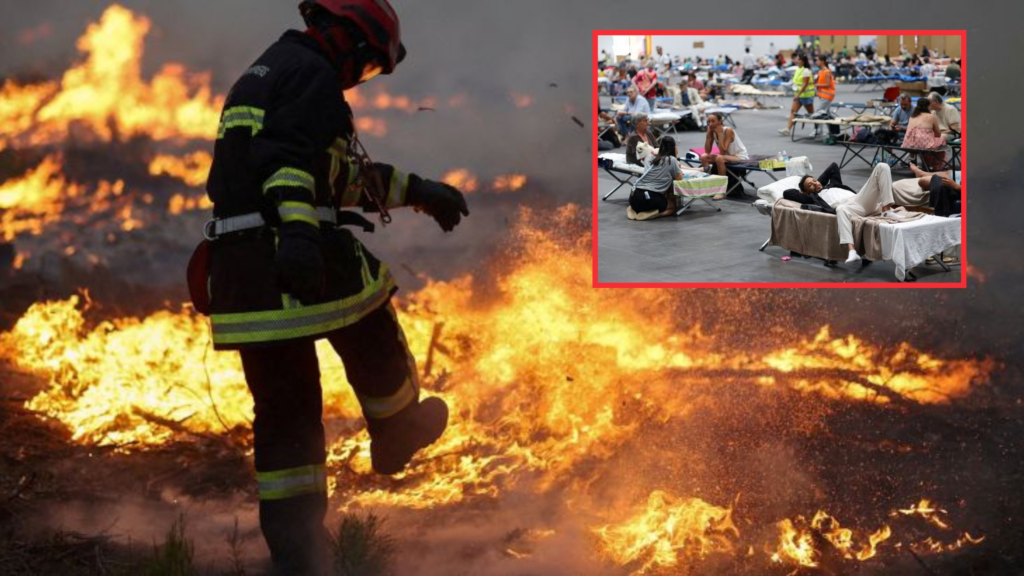
France has seen the most extensive impact, with approximately 250,000 people evacuated from wildfire-threatened communities.
One of the hardest-hit areas is the Cap Ferret Peninsula along the Atlantic coast, a well-known holiday destination, where flames have swept through forests and residential areas. Fires have also spread around the outskirts of Bordeaux, forcing emergency services to relocate thousands of residents and visitors.
French Interior Minister Laurent Nuñez described conditions as “extremely unfavorable” after firefighters endured another night battling advancing flames.
According to officials, the fire has already consumed around 42,000 hectares (roughly 104,000 acres)—an area estimated to be four times larger than the city of Paris.
More than 4,000 firefighters, supported by helicopters, water-bombing aircraft and military personnel, remain deployed as authorities work to prevent additional communities from being threatened.
—
Spain Battles Multiple Fire Fronts
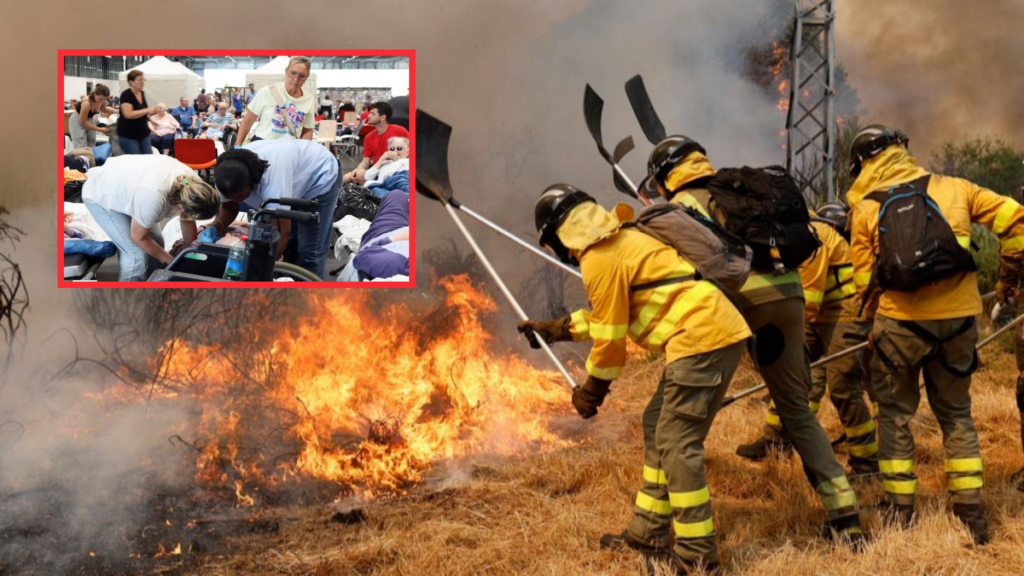
Spain is also confronting widespread wildfires, with authorities confirming that more than 75,000 people have been evacuated, while another 30,000 residents have been instructed to shelter indoors because of dangerous smoke and rapidly changing fire conditions.
The largest fires are burning across the central provinces of Ávila, Madrid and Toledo, where officials estimate that more than 45,000 hectares of land have already been destroyed.
Spanish Prime Minister Pedro Sánchez, who visited affected communities in Ávila, acknowledged that firefighting teams still face difficult conditions despite overnight progress.
Although officials reported improved containment efforts, emergency crews remain on high alert as shifting winds continue to threaten populated areas.
—
Extreme Heat Continues to Fuel the Crisis
Meteorologists say an ongoing heatwave has created ideal conditions for wildfires across southern Europe.
High temperatures, prolonged drought and low humidity have left forests and grasslands exceptionally dry, allowing fires to spread rapidly once ignited.
Strong winds have further complicated firefighting operations by carrying embers across firebreaks and igniting new hotspots several kilometers away.
Authorities warned that weather forecasts show little immediate relief, increasing concerns that additional evacuations may become necessary.
—
Communities and Tourism Under Pressure
The fires have disrupted transportation, tourism and local businesses during one of Europe’s busiest holiday periods.
Road closures, temporary rail disruptions and cancellations at tourist destinations have affected thousands of travelers, particularly in southwestern France where many coastal resorts remain under emergency restrictions.
Officials are also monitoring air quality as thick smoke continues drifting across several regions, prompting health advisories for children, older adults and people with respiratory conditions.
—
International Support and Emergency Response
Firefighting resources from neighboring European countries have been placed on standby as authorities coordinate emergency operations.
Both France and Spain continue deploying aerial firefighting aircraft, specialized ground crews and emergency medical teams to protect communities while assisting evacuated residents.
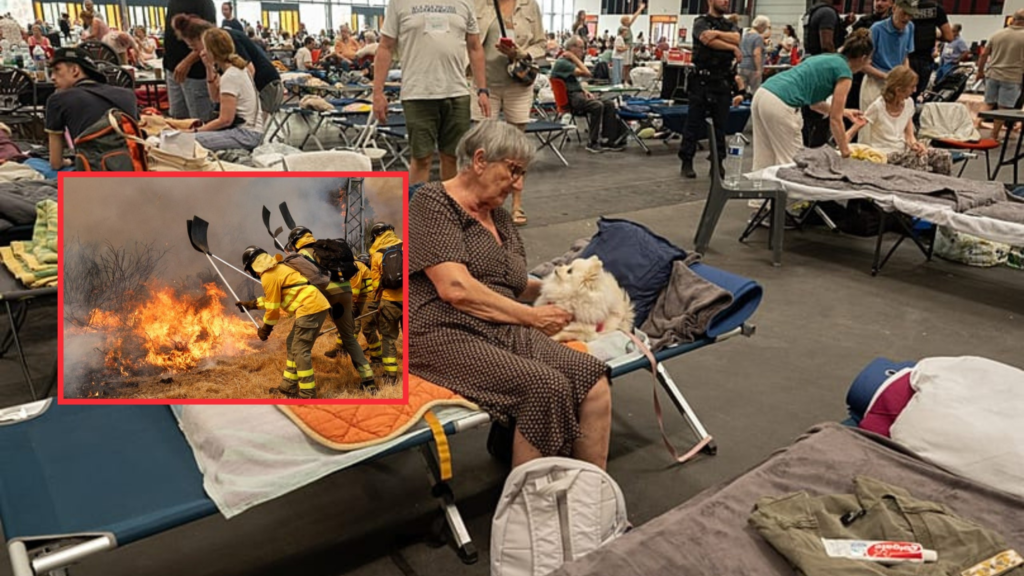
Emergency shelters have been established for displaced families, and local governments are urging people to follow evacuation orders immediately whenever issued.
—
Pope Calls for Solidarity
During his weekly Sunday address, Pope Leo XIV expressed sympathy for those affected by the devastating fires in France and Spain.
He offered prayers for displaced families, emergency responders and firefighters risking their lives to contain the blazes.
—
Why It Matters
Europe has experienced increasingly destructive wildfire seasons in recent years as prolonged heatwaves and drought become more frequent. Beyond immediate threats to life and property, large-scale fires can damage ecosystems, disrupt tourism, strain public resources and create long-term economic challenges for affected regions.
—
TAD Perspective
The ongoing wildfire emergency in France and Spain highlights the growing challenge European nations face in adapting to more extreme weather conditions. While emergency services continue to respond on the front lines, governments are also being pressured to strengthen disaster preparedness, improve forest management and invest in climate resilience to reduce future wildfire risks.
Sources
* Al Jazeera
* Reuters
* AFP
* Associated Press (AP)
* France 24
* RNZ
* CGTN Europe

