

Published: July 23, 2026
By: TAD Editorial Team
⸻
TOKYO, Japan —
Japan’s latest effort to help workers cope with another sweltering summer has unexpectedly ignited a nationwide debate—not over rising temperatures, but over exposed legs in the workplace.
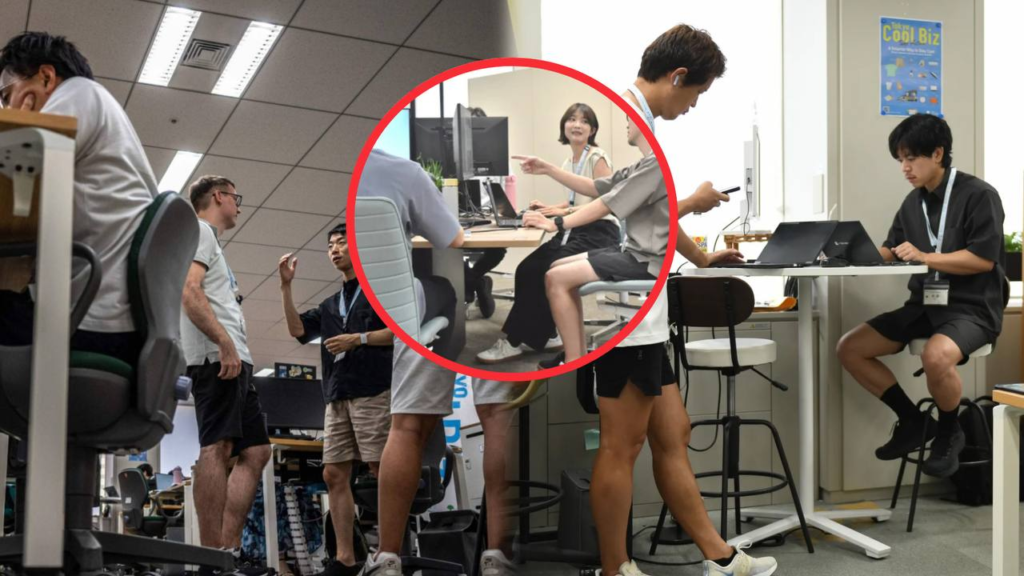
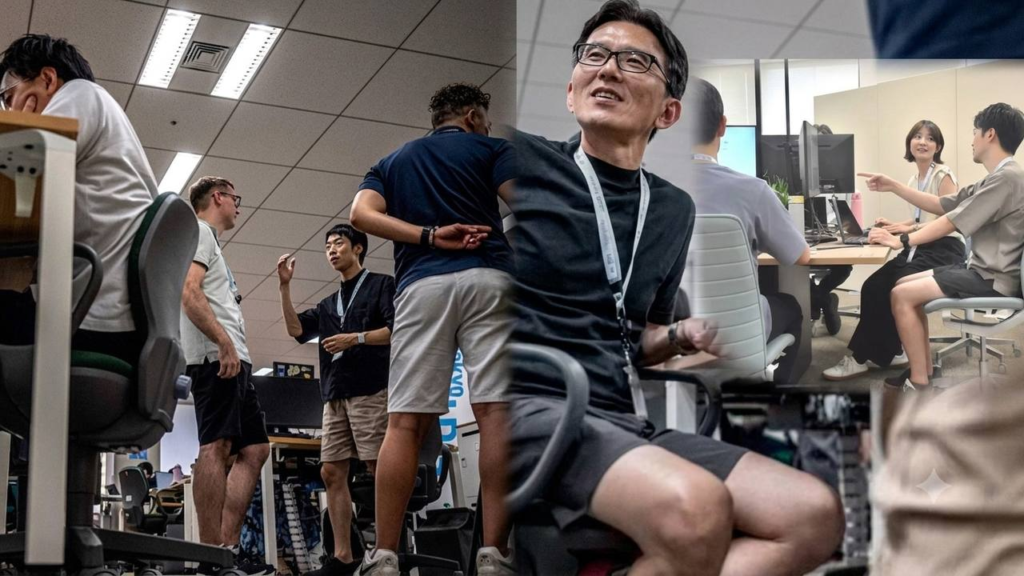
As part of the government’s expanded “Cool Biz” campaign, male office workers have been encouraged to replace traditional business suits with lightweight polo shirts and shorts to reduce heat stress and lower air-conditioning use. While many companies have embraced the relaxed dress code, the initiative has also drawn criticism from some female employees, leading Japanese media to coin a new expression: “leg hair harassment.”
The phrase refers to the discomfort some women say they experience when colleagues wear shorts that expose hairy legs in office environments.
⸻
Government Pushes Cooler Workwear
Japan has experienced increasingly severe summers in recent years, with temperatures frequently exceeding historical averages. Rising electricity costs have also encouraged businesses to reduce energy consumption by limiting air-conditioning use.
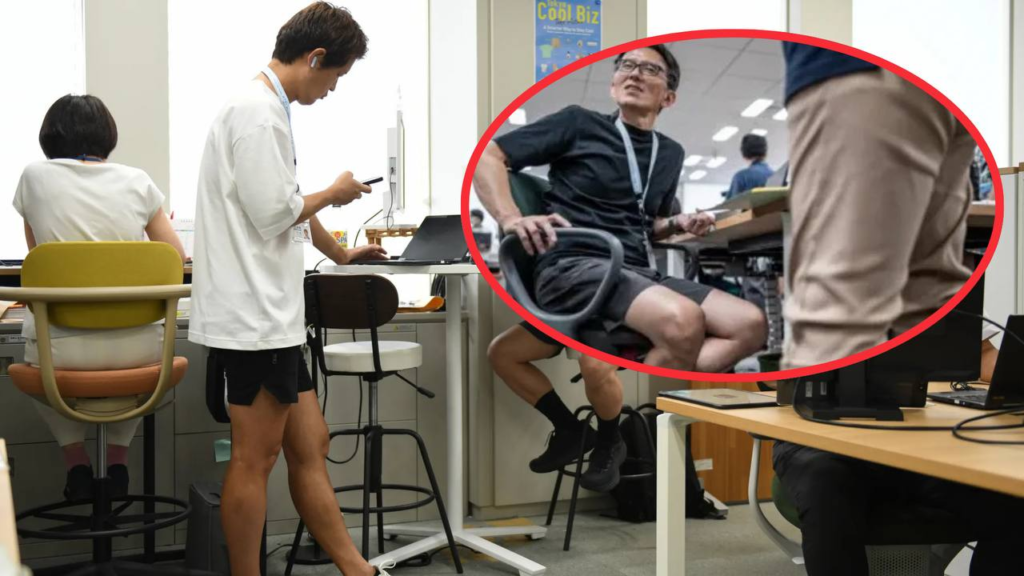
To address both challenges, authorities expanded the long-running Cool Biz initiative, encouraging office workers to adopt lighter clothing instead of formal business attire.
The updated campaign recommends shorts, polo shirts and other breathable clothing for male employees during the hottest months of the year.
Tokyo Governor Yuriko Koike, who originally introduced the Cool Biz concept during her time as Environment Minister in 2005, has continued promoting the initiative as climate conditions become more extreme.
Speaking during the launch of the updated campaign, she joked that workers had already removed nearly every unnecessary layer of clothing, leaving shorts as the next logical step.
⸻
A New Workplace Controversy
Although the relaxed dress code has been welcomed by some employees seeking relief from extreme heat, it has also created an unexpected cultural debate.
Japanese media have begun using the term “sune-hara”, translated as “leg hair harassment,” to describe complaints from women who say exposed, hairy legs are distracting or unpleasant in professional settings.
For some critics, the issue is less about shorts themselves and more about workplace appearance and grooming.
“I just don’t think hairy legs look very neat,” 52-year-old real estate agent Sachie Koike told AFP while discussing the growing debate.
Comments shared on Japanese social media and television programs reveal divided opinions. Some women argue that office attire should remain professional regardless of the weather, while others believe personal grooming should accompany more casual clothing.
One woman reportedly appealed to middle-aged male workers, saying she would prefer they avoid wearing shorts if they were unwilling to groom their legs.
⸻
Mixed Public Opinion
Despite increased sales of shorts and lightweight office clothing following the government’s campaign, public opinion remains divided.
According to a survey conducted by a Japanese laser hair-removal company, 53.5% of respondents opposed wearing shorts in the workplace, suggesting that traditional expectations regarding office appearance remain deeply rooted.
Supporters of the initiative, however, argue that employee comfort and protection from dangerous heat should take priority over conventional dress codes.
⸻
Heat Continues to Break Records
Japan has faced increasingly intense heatwaves over the past several years.
Last August, the country recorded a historic temperature of 41.8°C, while the Japan Meteorological Agency has introduced a new warning category for exceptionally dangerous heat conditions.
Officials say adapting workplace culture is becoming increasingly important as climate change contributes to longer and more intense summers.
The government maintains that reducing formal business attire not only improves worker comfort but also lowers electricity consumption by allowing offices to operate with higher air-conditioning temperatures.
⸻
Why It Matters
The controversy illustrates how climate adaptation policies can sometimes collide with long-standing workplace traditions and cultural expectations. While Japan continues searching for ways to address extreme heat and energy consumption, the debate highlights that even practical environmental measures can trigger unexpected social discussions.
⸻
TAD Perspective
Japan’s “Cool Biz” campaign reflects a broader global challenge of balancing employee comfort, workplace professionalism and changing climate conditions. While lighter clothing may help reduce heat-related health risks, public acceptance often depends as much on cultural norms as practical benefits. The discussion surrounding “leg hair harassment” demonstrates how workplace reforms can extend beyond policy and become part of wider conversations about appearance, personal choice and office etiquette.
Sources
AFP (via Yahoo News)
The Telegraph
Mizzima Burmese
Mizzima News (X)

