

Published: July 23, 2026
By: TAD Editorial Team
—
NEW DELHI / KABUL / ISLAMABAD —
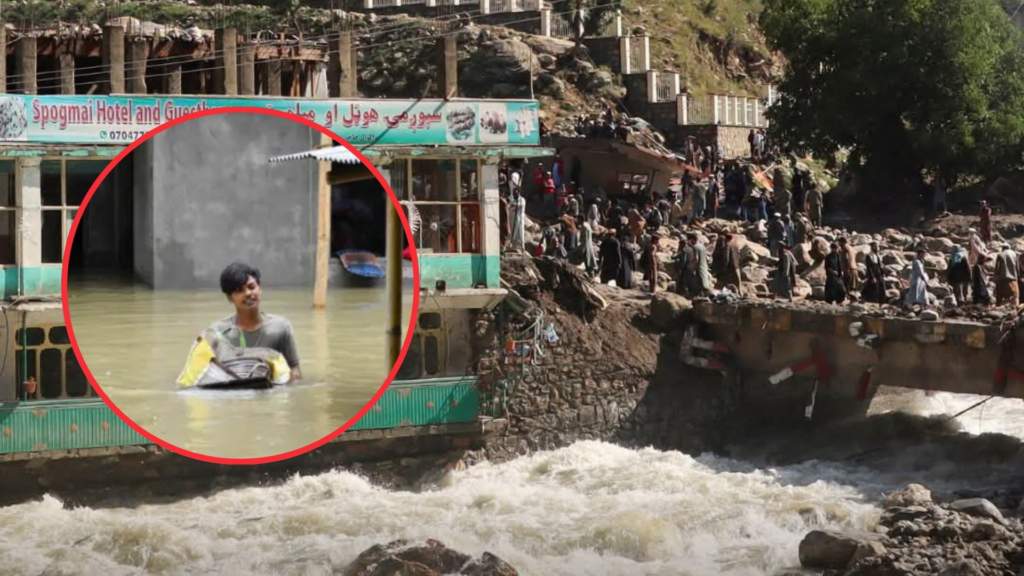
Severe monsoon flooding has claimed the lives of at least 82 people across India, Pakistan and Afghanistan, as days of relentless rainfall triggered flash floods, landslides and overflowing rivers, leaving hundreds of thousands affected and causing widespread destruction to homes, farmland and public infrastructure.
Authorities across the three countries continue emergency rescue and relief operations, warning that additional heavy rainfall could worsen conditions in several flood-hit regions.
—
Assam Faces Worst Flooding in Recent Years
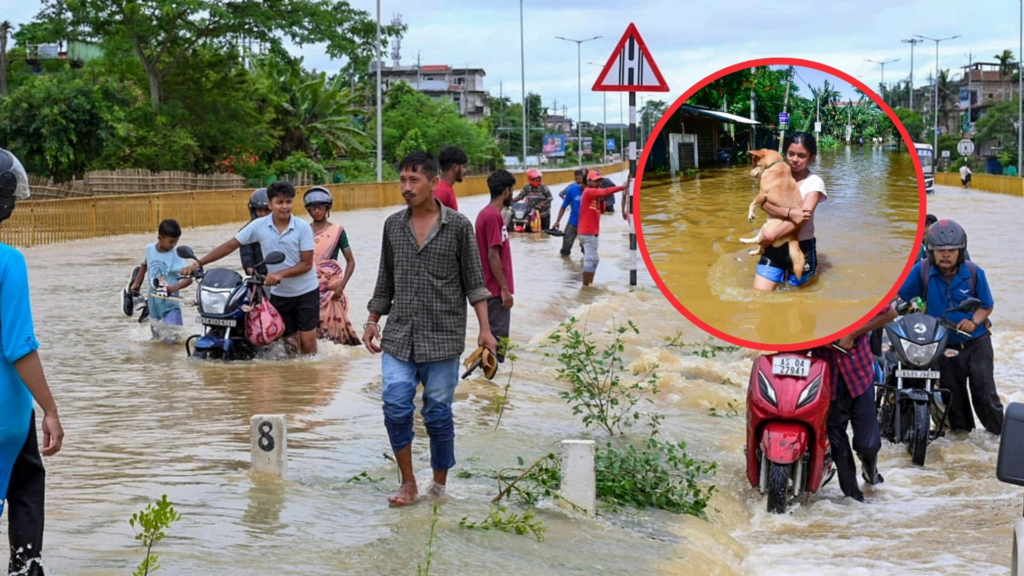
India’s northeastern state of Assam has suffered some of the most extensive damage, where authorities reported at least 36 deaths since heavy flooding began earlier this week.
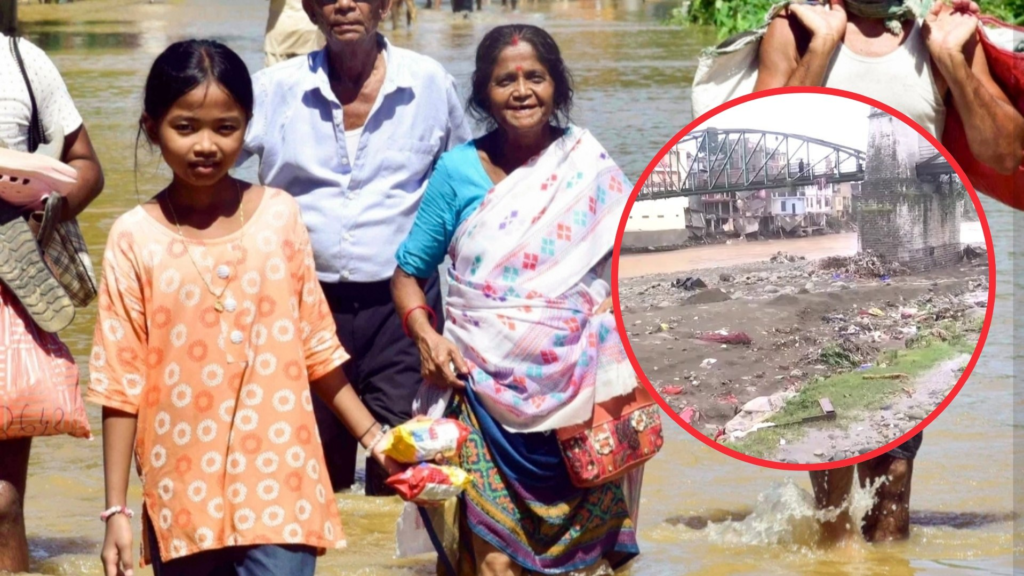
According to the Assam State Disaster Management Authority, more than 650,000 residents across 11 districts have been affected after rivers overflowed and floodwaters submerged villages, roads and agricultural land.
Officials described the situation as “unprecedented devastation,” with rescue teams using boats and helicopters to reach isolated communities.
Government reports said unusually intense rainfall in neighboring Nagaland between July 18 and July 20 dramatically increased water flowing into Assam’s river systems, including the mighty Brahmaputra River, resulting in widespread flooding.
The Brahmaputra experiences seasonal flooding almost every monsoon, but officials say this year’s rainfall has created far more severe conditions than usual.
—
Pakistan and Afghanistan Also Hit Hard
Meanwhile, authorities in Pakistan and Afghanistan confirmed that at least 46 people have died during the past three days after powerful flash floods swept through mountainous communities.
The worst-affected areas include Nuristan Province in northeastern Afghanistan and Khyber Pakhtunkhwa Province in northwestern Pakistan.
More than 100 people have also been reported injured as floodwaters destroyed homes, roads, bridges and tourist facilities.
Local resident Mujib ur Rahman described scenes of widespread destruction in Nuristan.
“The floods swept away houses and hotels. Everything is gone. It is complete devastation,” he told Reuters, adding that heavy machinery was being used to rescue people trapped beneath debris.
Emergency workers continue searching damaged communities while delivering food, clean water and medical assistance to survivors.
—
Climate Risks Continue to Grow
Experts have repeatedly warned that South Asia remains one of the world’s most climate-vulnerable regions.
Although countries such as Afghanistan and Pakistan contribute relatively little to global greenhouse gas emissions, both face increasing risks from extreme weather events, including heavier rainfall, flash floods and rapidly melting glaciers.
Scientists say rising global temperatures are contributing to more intense weather patterns that increase the frequency and severity of natural disasters across the region.
—
Relief Operations Continue
Authorities in all three countries have deployed military personnel, disaster response agencies and emergency services to assist affected communities.
Thousands of displaced families remain in temporary shelters while officials continue assessing damage to transportation networks, schools, hospitals and agricultural land.
Weather agencies have warned that additional rainfall remains possible over the coming days, raising concerns that flooding could worsen in already saturated areas.
—
Why It Matters
The latest floods highlight the increasing humanitarian and economic impact of extreme weather across South Asia. Beyond the tragic loss of life, widespread flooding threatens food production, transportation, public health and regional economic stability as climate-related disasters become more frequent.
—
TAD Perspective
The disaster serves as another reminder that climate resilience, improved flood forecasting and stronger emergency response systems are becoming increasingly important across vulnerable regions. As monsoon seasons grow more unpredictable, governments may face mounting pressure to invest in long-term disaster preparedness alongside immediate relief efforts.
Sources
* Reuters
* Binance News
* Assam State Disaster Management Authority
* Local Disaster Management Authorities (Pakistan & Afghanistan)
* Facebook News Updates

