Published: July 26, 2026
By: TAD Editorial Team
—
### BRASÍLIA, Brazil —
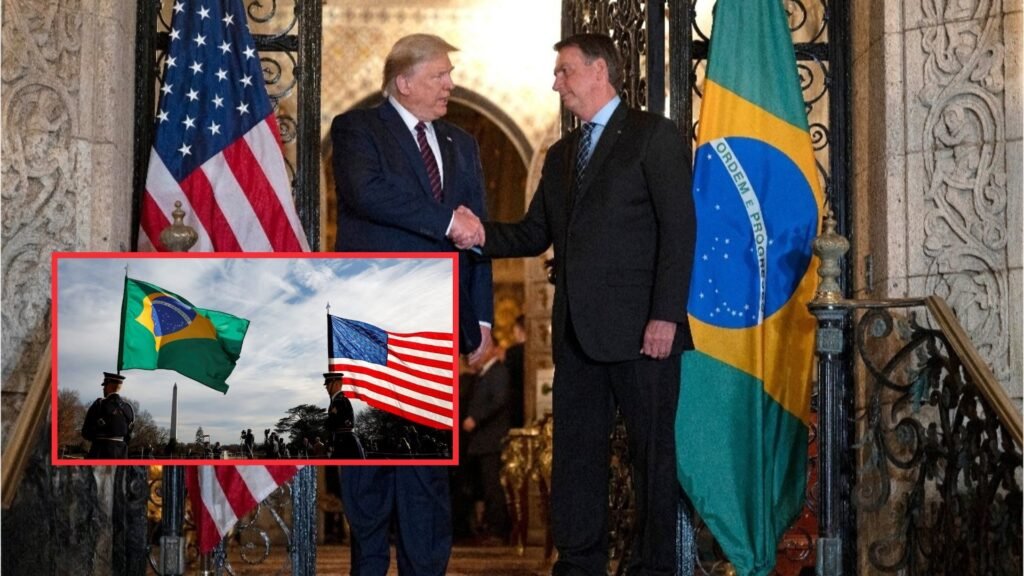
A planned visit by senior U.S. officials to Brazil has sparked fresh political debate ahead of the country’s upcoming elections, as questions surrounding election transparency and democratic institutions once again dominate national discussion.
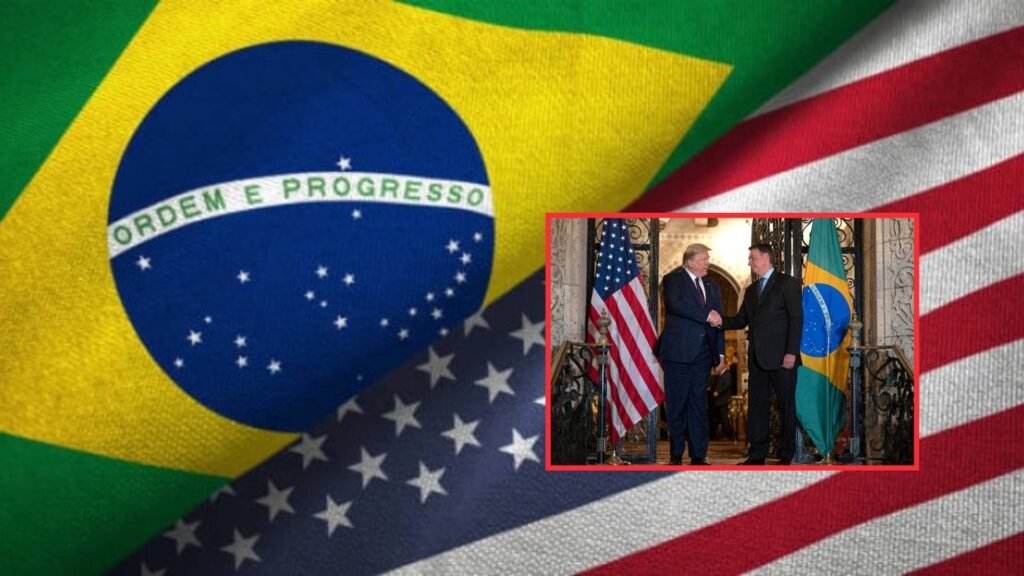
The U.S. State Department confirmed that Deputy Assistant Secretary Samuel Samson and Special Envoy David Barnes will travel to Brasília from July 27 to July 30. During the visit, the delegation is scheduled to meet Brazilian government officials, religious leaders and representatives from civil society to discuss issues including election integrity, religious freedom and freedom of expression.
The announcement comes at a politically sensitive time, with supporters of former President Jair Bolsonaro once again raising concerns about Brazil’s electronic voting system despite repeated assurances from election authorities that the system remains secure.
—
## Washington Rejects Allegations of Political Interference
The upcoming visit quickly drew speculation within Brazil’s political circles, with some commentators suggesting Washington could be attempting to influence the country’s electoral process.
However, a spokesperson for the U.S. State Department firmly rejected those claims, describing the visit as part of the Bureau of Democracy, Human Rights and Labor’s regular international engagement.
According to the department, discussions will focus on democratic governance, civil liberties and institutional cooperation rather than supporting any political party or candidate.
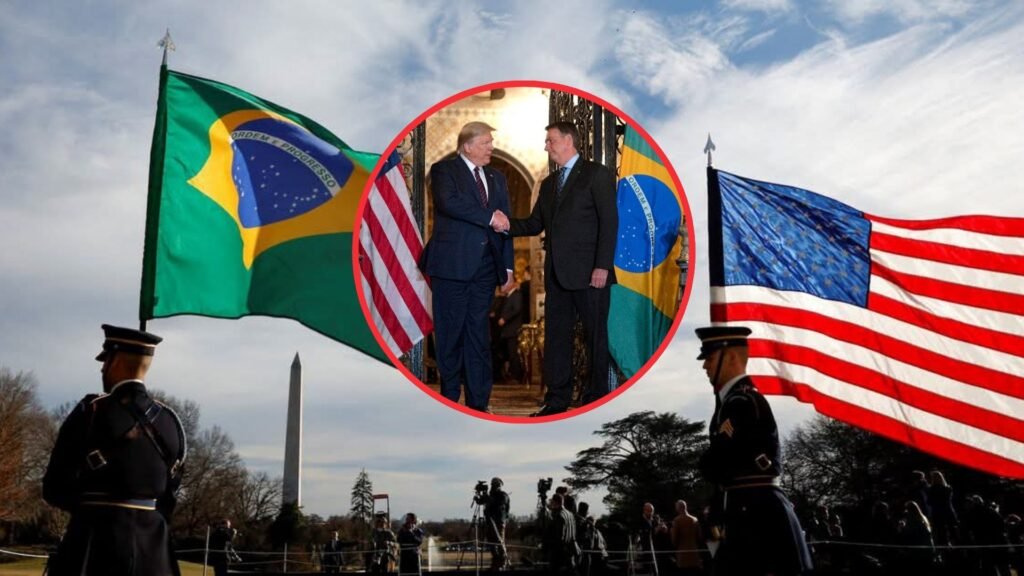
Officials also dismissed accusations that the delegation’s visit was intended to undermine Brazil’s electoral process, calling such suggestions unfounded.
—
## Election Debate Returns to Center Stage
Although Brazil’s next election is still months away, public debate over the country’s electronic voting system has intensified in recent weeks.
The discussion has been fueled by Senator Flávio Bolsonaro, son of former President Jair Bolsonaro, who recently encouraged foreign governments to send election observers to Brazil.
Speaking before an audience that included diplomats from several countries, the senator argued that international monitoring could help strengthen confidence in the electoral process.
He also repeated claims linking Brazil’s electronic voting machines to Smartmatic, a company frequently mentioned in election-related controversies abroad.
Both Smartmatic and Brazil’s Superior Electoral Court have publicly stated that the company has never supplied Brazil’s voting machines, directly contradicting those assertions.
Later, Flávio Bolsonaro said he was not questioning the integrity of Brazil’s voting system, but instead supporting greater transparency.
—
## Echoes of the 2022 Presidential Election
The renewed debate recalls events surrounding Brazil’s 2022 presidential election.
Before that vote, former President Jair Bolsonaro repeatedly questioned the reliability of Brazil’s electronic voting system without presenting evidence of widespread fraud.
He also invited foreign diplomats to presentations outlining alleged vulnerabilities in the voting process.
Those efforts ultimately failed to prevent the election victory of President Luiz Inácio Lula da Silva.
Brazil’s Superior Electoral Court later ruled that Bolsonaro had abused his presidential office by spreading unsupported claims about the electoral system, resulting in a ban preventing him from holding public office until 2030.
He was later convicted for his role in an alleged attempt to overturn the election outcome and is currently serving his sentence under house arrest.
—
## International Attention on Brazil’s Democracy
The visit by American officials also reflects broader international interest in Brazil’s democratic institutions.
According to the U.S. State Department, the delegation’s meetings will include discussions on human rights, democratic governance and religious freedom alongside election-related issues.
Political analysts note that election observation missions are common in democracies around the world and do not necessarily indicate concerns over election legitimacy.
Nevertheless, the timing of the visit has drawn considerable attention given Brazil’s polarized political environment.
—
## Trump Administration’s Growing Interest in Latin America
The planned visit comes as President Donald Trump’s administration has adopted a more active political posture across Latin America.
In recent months, Trump has publicly endorsed several conservative political leaders throughout the region, including figures in Argentina, Chile and Colombia.
Although U.S. officials insist the Brazil visit follows long-standing diplomatic practices, critics argue that the broader regional context has increased scrutiny over Washington’s intentions.
The State Department, however, maintains that its delegation will not interfere in Brazil’s electoral process and remains committed to respecting the country’s democratic institutions.
—
# Why It Matters
Brazil is Latin America’s largest democracy and one of the region’s most influential political and economic powers. Any renewed debate over election integrity could have significant domestic and international implications, particularly as political polarization remains high. The visit by U.S. officials is likely to be closely watched both inside Brazil and across the region.
—
# TAD Perspective
Election integrity remains a sensitive issue worldwide, particularly in politically divided societies. While international dialogue on democratic governance is common diplomatic practice, perceptions of foreign involvement can easily become politically charged. Transparency, independent institutions and public trust will remain central to Brazil’s electoral process as campaigning intensifies.
## Sources
* Reuters
* The Washington Post
* The New York Times
* Yahoo News Canada
* U.S. State Department

